The Seminoles – Native Americans still present today
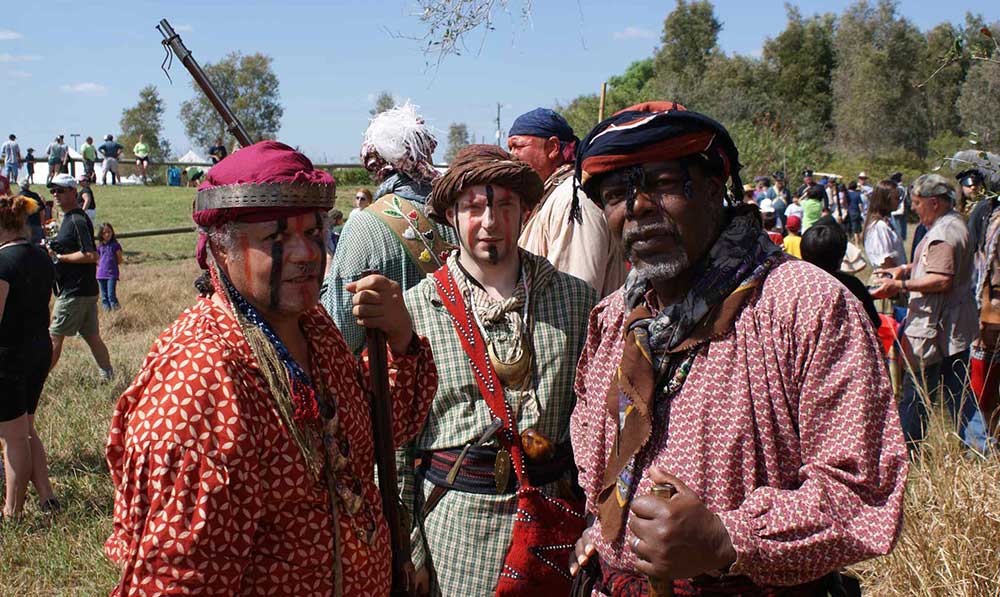
The Seminole Tribe is one of the most well-known Native American groups in Florida.
Their name comes from the Spanish word “cimarrón,” meaning “wild one” or “runaway.” As a matrilineal society, the Florida Seminoles have preserved their identity through clans, oral traditions, and a deep-rooted connection to the land. Originally they were “Creeks”, Indians of the Muskogee tribe, who were mixed with many other Indian cultures. The Indian tribe in the Everglades had to fight hard for their land and their current prosperity. Today, they remain a symbol of cultural survival in the southeastern United States.
Arrival in Florida
Migration from Georgia and Alabama
In the early 1700s, the Seminole people—originally part of the Creek Tribe, a confederation of Native American nations—began migrating south from Georgia and Alabama. Conflict with European settlers and U.S. military forces, along with land loss through colonization, drove these Native Americans into the unclaimed wilderness of Spanish-controlled Florida. Some groups initially settled in the Florida Panhandle before moving further south into the wetlands and forests. Over time, the migrants developed a distinct identity as the Seminole Tribe, separate from their Creek ancestors.
Settlement in Florida’s swamps and forests
Once in Florida, the Seminoles established villages in remote areas such as the Everglades, Big Cypress Swamp, and other subtropical regions. These dense and waterlogged areas provided natural protection against further attacks. Living off the land, the Seminoles adapted their way of life to the swampy environment, relying on hunting, fishing, and small-scale farming. The harsh climate and isolation helped shape their resilient culture—one deeply rooted in the Florida wilderness.
A tribe that was never defeated
Despite numerous military campaigns against them, the Seminole Tribe of Florida was never officially conquered by the United States. During the three Seminole Wars, many tribal members were killed or forcibly relocated to Indian Territory (now Oklahoma). However, a small group resisted and remained hidden in the swamps. Their defiance earned the Seminoles a lasting place in American history as one of the few Native American tribes never to sign a formal peace treaty.
Banishment to the reservation

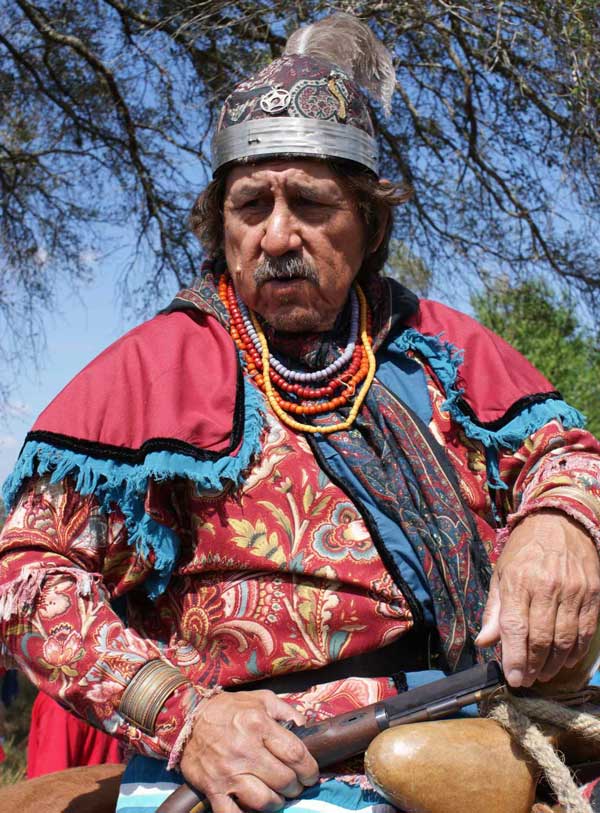
Every year in February, the last war of the Seminole Indians against the Americans is re-enacted 
The tradition of the Seminole Indians is upheld.
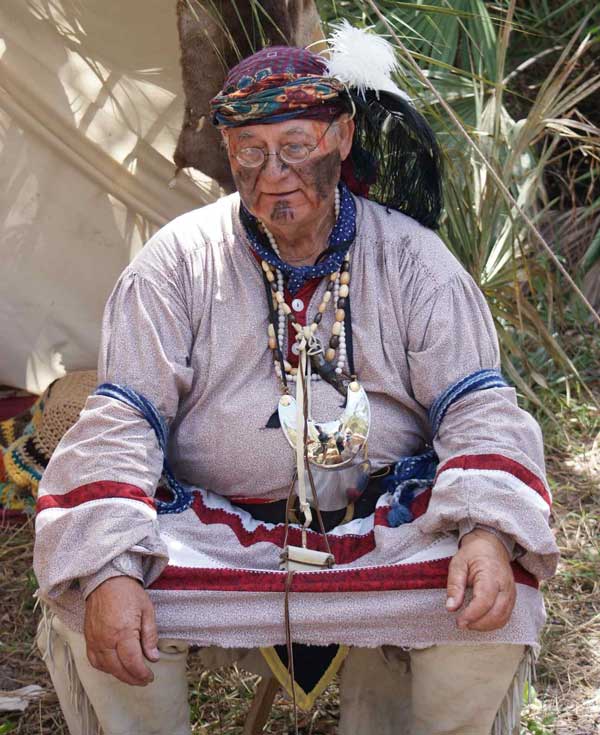
The Indian Removal Act and forced displacement
In 1830, the U.S. Congress passed the Indian Removal Act, aiming to relocate all Native American tribes living east of the Mississippi River to lands in the west. For the Seminole Tribe in Florida, this marked the beginning of violent conflicts and widespread displacement. The U.S. government attempted to remove the Seminoles by force, leading to the outbreak of the First Seminole War.
Resistance and survival during the Seminole Wars
The Seminole Wars—a series of three bloody conflicts between 1817 and 1858—were among the most expensive and prolonged Indian wars in American history.
They were largely triggered by the Indian Removal Act of 1830, which sought to relocate all Native American tribes west of the Mississippi River. Many tribal members were captured or killed, while others were forcibly deported to Indian Territory in present-day Oklahoma.
However, some Seminoles refused to surrender. They retreated deep into the Florida Everglades and Big Cypress Swamp, continuing their resistance from remote hideouts.
Creation of the reservations in Florida
By the late 1800s, the remaining Seminoles were confined to unofficial settlements in South Florida. It wasn’t until the 20th century that formal Seminole reservations were established, including the Big Cypress Reservation and Hollywood Reservation. These tribal lands gave the Seminoles a foundation to preserve their cultural identity and begin rebuilding their community. Today, these reservations are recognized as sovereign territories, with thriving schools, businesses, and tribal government institutions. These tribal lands later became the foundation for Seminole sovereignty and cultural revival, helping today’s generation reconnect with their Florida ancestors and preserve their heritage.
The Seminole Tribe Today
Modern tribal government and economic independence
The Seminole Tribe of Florida is a federally recognized tribe with its own constitution, council, and elected officials. Headquartered in Hollywood, Florida, the tribe manages a range of governmental departments—including health, education, and housing services. One of the tribe’s most notable achievements is its economic success: through ventures such as cattle ranching, citrus farming, and the globally known Hard Rock Hotel & Casino brand, the Seminoles have become a symbol of Native American entrepreneurship.
Cultural preservation and education
Despite modernization, the Seminoles remain committed to preserving their traditional identity. Tribal members continue to practice their native languages—Mikasuki and Creek—and pass on customs through oral history, ceremonial events, and crafts like patchwork clothing. The Ah-Tah-Thi-Ki Museum on the Big Cypress Reservation is a central institution for sharing and preserving Seminole culture with both tribal youth and the public.
Tourism and visibility in Florida
The tribe actively promotes cultural tourism, inviting visitors to experience Seminole history and way of life through guided tours, festivals, and educational exhibits. Events like the Annual Tribal Fair & Pow Wow in Hollywood provide insight into Native American traditions and foster awareness among Floridians and international tourists alike. These initiatives not only boost economic development but also strengthen cultural identity.
The connection between Florida Seminole heritage and Florida’s natural landscapes is more than symbolic—it’s part of daily life and tribal identity. Many Seminole reservations are located near some of the state’s most ecologically important regions, including wetlands, hardwood hammocks, and pine flatwoods. These environments not only sustained generations of tribal members, but also continue to shape their traditions and economic activities.
Visitors interested in authentic cultural experiences often combine Seminole history with Florida’s rich biodiversity. Whether you’re exploring the cypress swamps of Big Cypress Reservation or the surrounding Everglades ecosystem, you’ll find walking trails, wildlife viewing areas, and guided eco-tours that highlight the Seminoles’ deep-rooted knowledge of local flora and fauna.
These nature-based cultural experiences are ideal for travelers looking to move beyond theme parks and into Florida’s original story—one of survival, resistance, and coexistence with nature.
For more inspiration, check out our curated guide to Florida’s Nature Parks featuring national preserves, state parks, and unique eco-destinations across the state.
Daily Life on Seminole Reservations Today
Life on the Seminole reservations in Florida reflects a unique blend of cultural tradition and modern development. Today’s tribal members live primarily on six official reservations, including Big Cypress, Brighton, and Hollywood. These sovereign lands are home to schools, healthcare clinics, cultural centers, and housing programs operated by the Seminole Tribe of Florida.
Modern-day Seminoles engage in various careers—from education and administration to cattle farming, law enforcement, and tourism. Many work within tribal enterprises, while others pursue private-sector jobs throughout the state.
Despite integration into Florida’s economy, the community maintains a strong connection to their roots. Traditional ceremonies, crafts, and languages—Mikasuki and Creek—are passed down to younger generations through cultural programs and family structures.
Youth sports programs, language schools, and elder-led storytelling events help preserve identity and build community across generations. The tribe continues to invest in infrastructure, education, and economic initiatives that sustain self-reliance while honoring Native heritage. Daily life on Seminole land is a testament to resilience, self-governance, and the protection of Native American culture in the 21st century.
Creek Tribe Origins and the Path to Florida
The Seminoles trace their ancestry to the Creek Tribe, a large confederation of Native American groups originally located in present-day Georgia and Alabama. During the 18th century, increasing pressure from European settlers and the U.S. government forced many Creek groups to migrate south. Those who settled in Spanish-controlled Florida eventually formed a distinct identity—later known as the Seminole Tribe.
This separation was not only geographical but cultural. The newcomers adopted survival strategies suited to Florida’s wetlands and began intermixing with escaped African slaves, creating a rich cultural mosaic. As tensions with the U.S. escalated, the Seminoles were increasingly seen as a threat. The conflict culminated in the Seminole Wars, a series of armed struggles that became some of the most expensive in U.S. history.
Driven by the Indian Removal Act of 1830, the U.S. military sought to relocate all Native peoples west of the Mississippi. However, the Seminoles in Florida, particularly in the Florida Panhandle and southern swamps, fiercely resisted. This resistance shaped their legacy as one of the few Native American tribes that never surrendered.
Seminole Women and Matrilineal Society
In Seminole culture, family and heritage are passed down through the mother’s line—a rare but powerful form of matrilineal society. This tradition stems from their Creek Tribe ancestors and continues to shape family structure, inheritance, and clan identity among tribal members today.
Women play an essential role in daily life and long-term cultural preservation. They are often the keepers of language, medicine, storytelling, and crafts like basket weaving and patchwork clothing. Grandmothers and mothers pass knowledge through generations, preserving Native American identity even as daily life becomes more modernized.
The Seminole clan system is inherited from the mother, and each individual belongs to one of several clans, such as Panther, Bird, or Snake. These clans help determine community roles, marriage rules, and responsibilities in tribal ceremonies. This structure fosters unity, accountability, and a deeply rooted cultural fabric within the tribe.
In many tribal councils and educational settings, women hold leadership positions, guiding initiatives that support education, health, and community development. Their influence ensures that Seminole traditions remain alive and relevant, even as the tribe navigates the challenges of the modern world.
Facts and figures

The traditional way is to immerse yourself in the culture and way of life of the Seminoles.
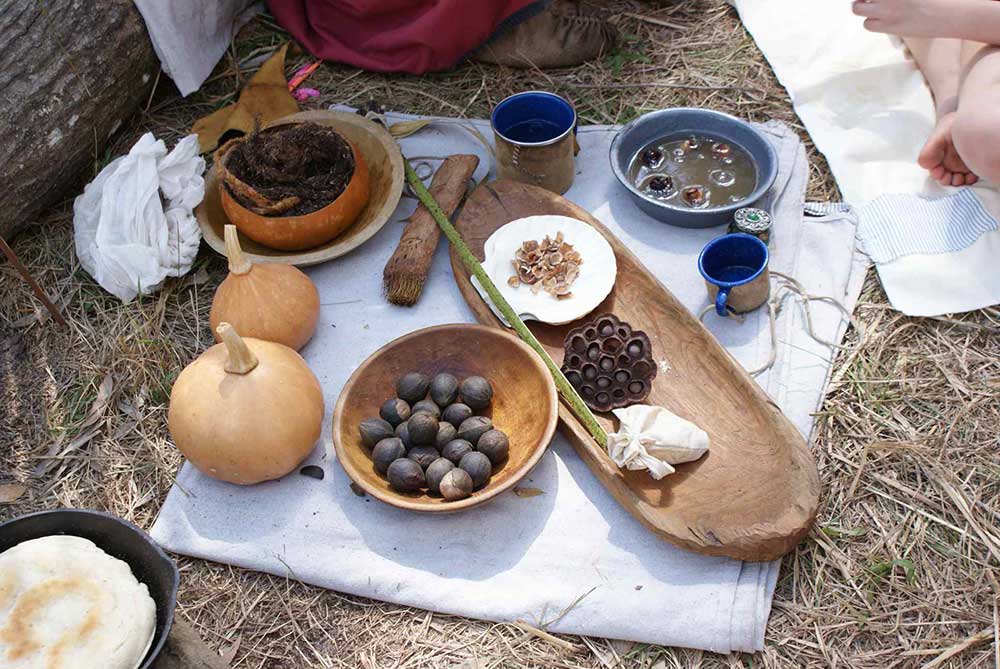
In 2000, 12,431 people registered as belonging to the Seminole in a state census. A further 15,000 or so Seminoles have come forward who have intermarried with other Indian tribes. The pure Seminole tribe in Florida has about 3000 members, who are divided into eight clans: Panther Tribe, Bear Tribe, Deer Tribe, Wind Tribe, Bird Tribe, Snake Tribe, Otter Tribe and Big City Tribe.
They have enjoyed their independence since 1962 and own 55,000 acres (222 km²) of swamp safari land; 35,000 acres (140 km²) of land in Brighton and 600 acres (2.5 km²) of land in Hollywood/Florida. Since the legalization of the sale of duty-free tobacco, tourism services and gambling, their economy has grown unstoppably. This led to a minor sensation in 2006: they bought the Hard Rock Cafe restaurantchain in a deal worth 965 million US dollars.
The economy is booming
The Seminole and Miccosukee Indians rank first among the most productive businesses run by Native Americans. More than one billion in revenue is generated by gambling (90%). Moses Jumper, of the Snake Tribe (pictured), sees it as no easy task to teach growing children about their ancient culture and the origins of their roots in an age where technology and progress reign supreme.
Not least because no one has to worry about things that are important for survival. “None of them experienced and got to know the hard times. Today, we only know the old stories from the tales handed down by our ancestors,” says Jumper.
Immerse yourself in the Seminole world
There are various opportunities to immerse yourself in the culture and way of life of the Seminoles: You can take a journey into their past in the historical museum. Here you can marvel at leftover artifacts. An evening around the campfire is offered, where adventure stories from the past are told. You will spend the night in an original “Chickee Hut”.
Those who prefer to see the wonderful landscape of the Everglades can take part in a swamp buggy or airboat tour. You will witness an incredible ecosystem, far from civilization, in a remote and unique beauty with a rich variety of wildlife. This unique nature reserve has been reverently defended and preserved in its natural state by the Seminoles to this day.
Every February, the last war of the Seminole Indians against the Americans is re-enacted in the Everglades. Information is available here.
Summary: The Legacy of the Seminoles
The Seminoles remain one of the most resilient and culturally rich Native American tribes in the United States. Their history, shaped by forced migration, the Indian Removal Act, and the brutal Seminole Wars, is a story of survival and strength. Unlike many other tribes, they never signed a formal peace treaty and instead carved out a life in the challenging landscapes of southern Florida.
Today, the Seminole continues to thrive on sovereign land, balancing modern economic ventures with deep-rooted traditions. From cultural preservation efforts to their leadership in tribal business, the Seminoles exemplify independence and heritage. Their story offers insight into how Native American communities adapt, resist, and succeed—without losing touch with their Florida ancestors, the teachings of the Creek Tribe, or the legacy of those who refused to be removed.
Understanding the Seminoles is essential for anyone exploring Florida’s indigenous past—or its living present.