


Lively coastal metropolis



Not only does the St. Johns River flow here, but also pure joie de vivre! Florido takes you to the largest city in Florida, where urban culture meets untouched nature. Feel the creative energy at the Riverside Arts Market, relax in the green parks or explore the endless beaches. Whether it’s a kayak tour, street art or a barbecue with a view of the skyline – tourists should plan a stop on their Florida vacation.
Jacksonville – the most Important at a Glance
- St. Johns River – The massive river shapes the city and offers many water sports opportunities
- Beaches Nature – 35 km of coastline, state parks and untouched islands like Big Talbot Island
- Art Culture – Vibrant scene with the Riverside Arts Market and street art in Downtown
- Culinary Trendy Districts – From BBQ to seafood in neighborhoods like Five Points and San Marco
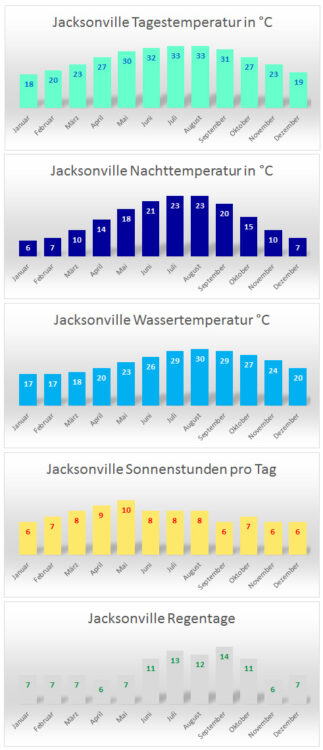
- Best Travel Time – October to May with mild climate and little rain
Climate and Weather

Florida Car Rental Guide Offers
All information about booking, insurance providers – with direct comparison at the end.

Restaurants near You
Culinary tips for breakfast, lunch, dinner local specialties
Information Route Planner
| Size | 875 mi² |
| Population | 971,000 (as of 2023) |
| County | Duval County |
| Coordinates | 30° 19 “N 81° 39” W |
| Area code | +1 904 |
| Info | Visit Jacksonville Visitor Center |
The Perfect Day in Jacksonville
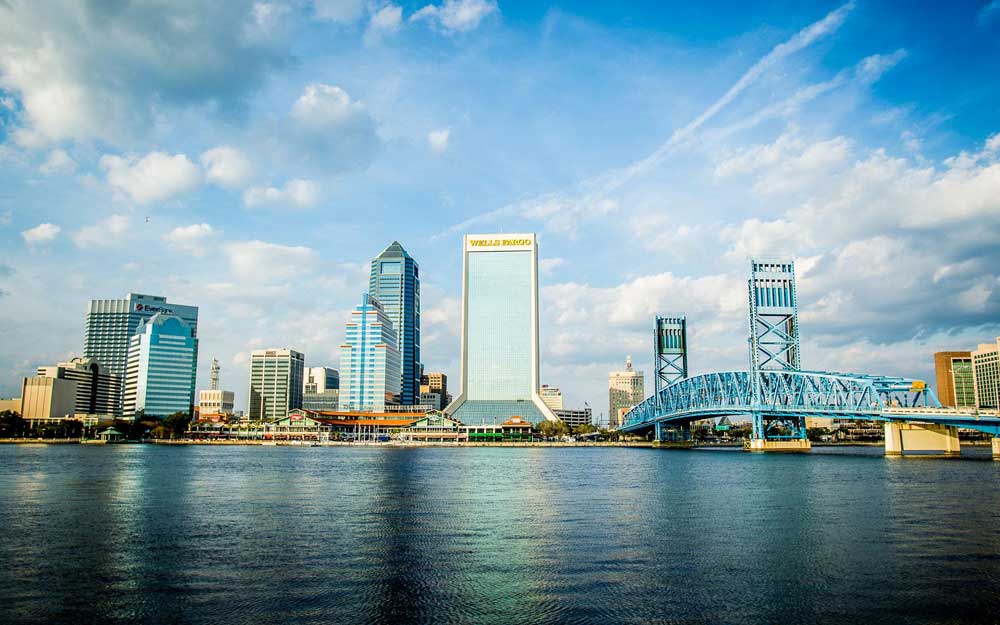
From our hotel near the St. Johns River in downtown Jacksonville, we start our perfect day with a walk along the Southbank Riverwalk. As the sun slowly rises over the city, the skyscrapers are reflected in the river, herons glide over the water and the first coffee from one of the small cafés on the banks gets us ready for the day.
In a good mood, we cross the Main Street Bridge – an experience in itself on foot – and reach the city center, where modern skyscrapers meet historic brick facades. A visit to the Cummer Museum of Art Gardens is worthwhile: art and nature merge here with a fantastic view of the river and old oak trees with Spanish moss.
At lunchtime, we head to the hip Riverside/Avondale district, with its charming boutiques, galleries and eateries. The winding streets are lined with lovingly renovated old buildings – perfect for a little stroll before we fortify ourselves in one of the many small restaurants, perhaps with a southern classic or a light fish dish.
Only a few minutes to Jacksonville Beach
In the afternoon, Jacksonville Beach beckons – about 25 minutes from the city center. We return to the river for sunset, this time on the Northbank, where restaurants with terraces offer a fantastic view. Freshly grilled fish, a glass of wine and the golden light on the surface of the water – Jacksonville shows its relaxed side.
If we feel like it, we end the evening with live music at the Florida Theatre or with a drink on the roof terrace of one of the city center hotels. Jacksonville may be underrated – but in a single day you quickly realize that Florida’s largest city has more to offer than many expect.
Activities highlights around Jacksonville
Events
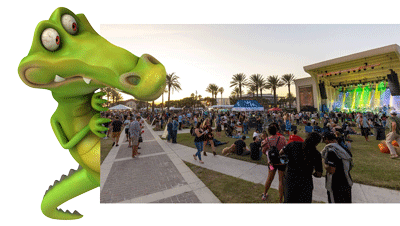
Jacksonville – a multi-talented Florida city
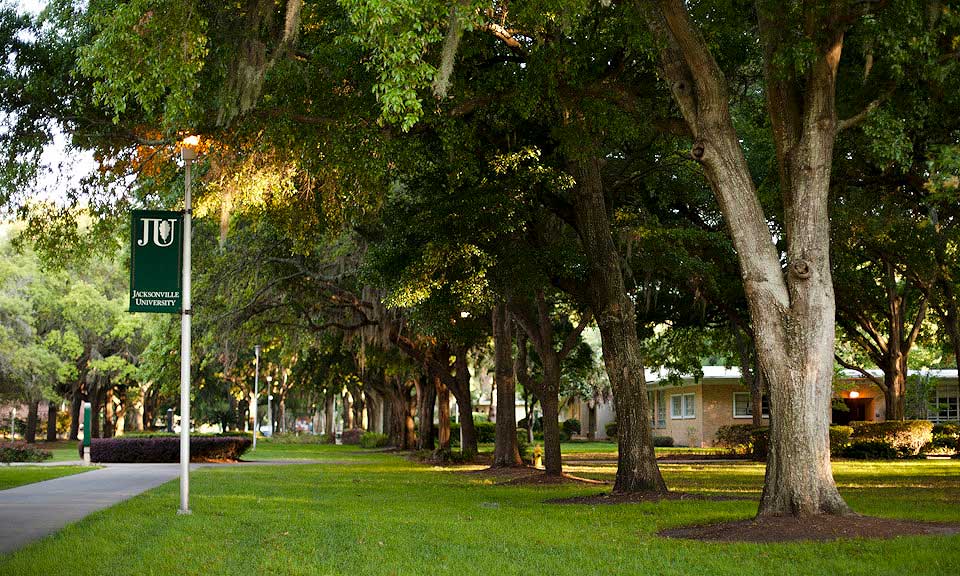
Jacksonville is a real all-rounder among Florida’s cities – spacious, diverse and surprisingly green. If you get involved with this metropolis in the north-east of the state, you will discover much more than just the largest urban area in the USA. Jacksonville offers a successful mix of nature experience, urban life, relaxed beach culture and culinary diversity – without any overcrowded tourist trails.
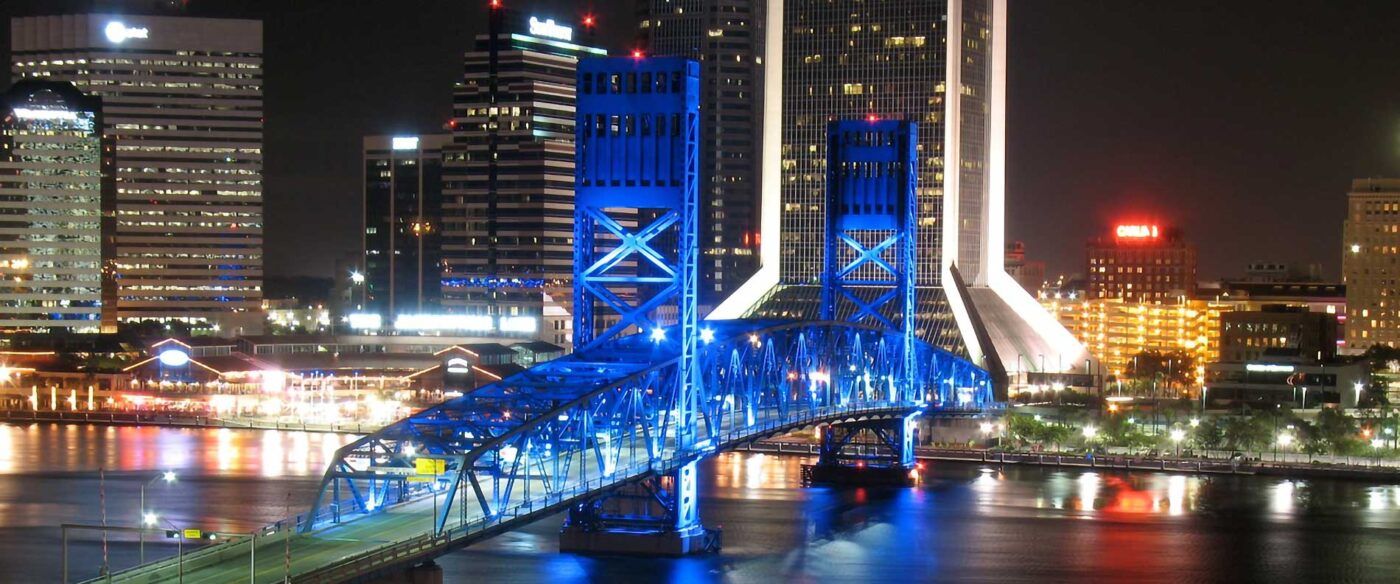
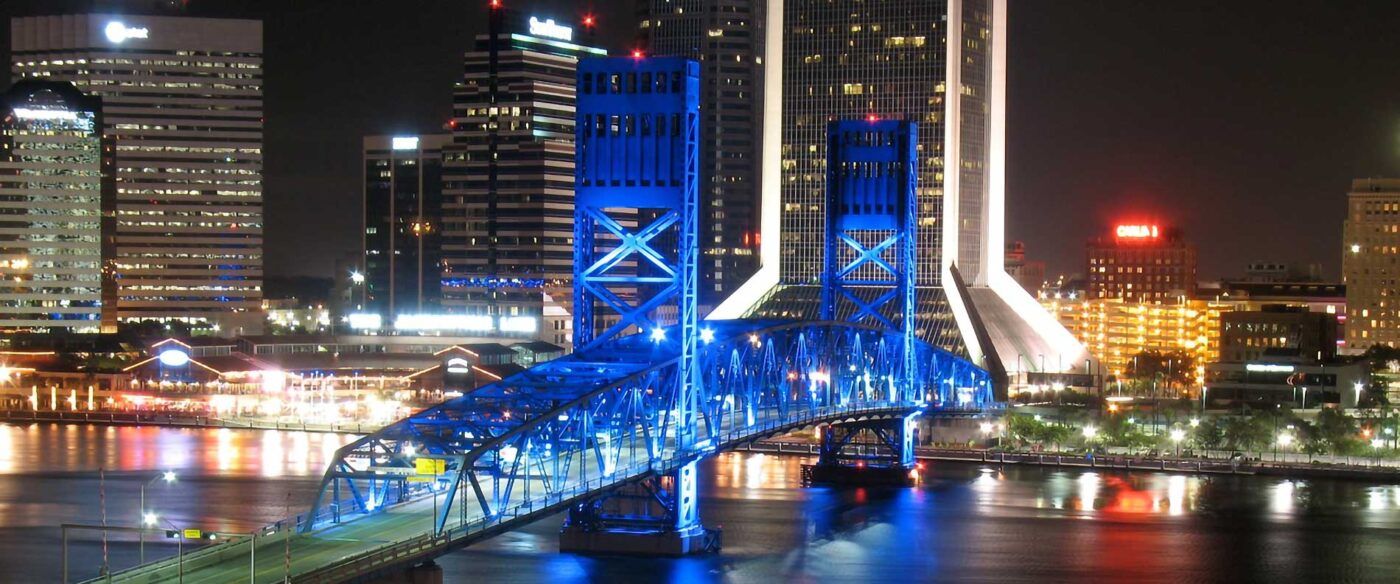
Particularly worth seeing is the St. Johns River, which meanders lazily through the city and provides an impressive backdrop for walks, boat tours or sundowner restaurants. The best way to explore the riverside promenade is via the Southbank Riverwalk – with a view of the blue bridges, the water and the skyline behind you.
Neighborhoods such as Riverside and Avondale invite you to take a stroll: Small boutiques, galleries and lovingly restored old buildings line the streets here, interspersed with cafés, craft beer bars and restaurants serving regional cuisine. The Riverside Arts Market, which takes place every Saturday under the bridge, is particularly popular – with street food, local art and music by the water.
Nature experiences just a few minutes away
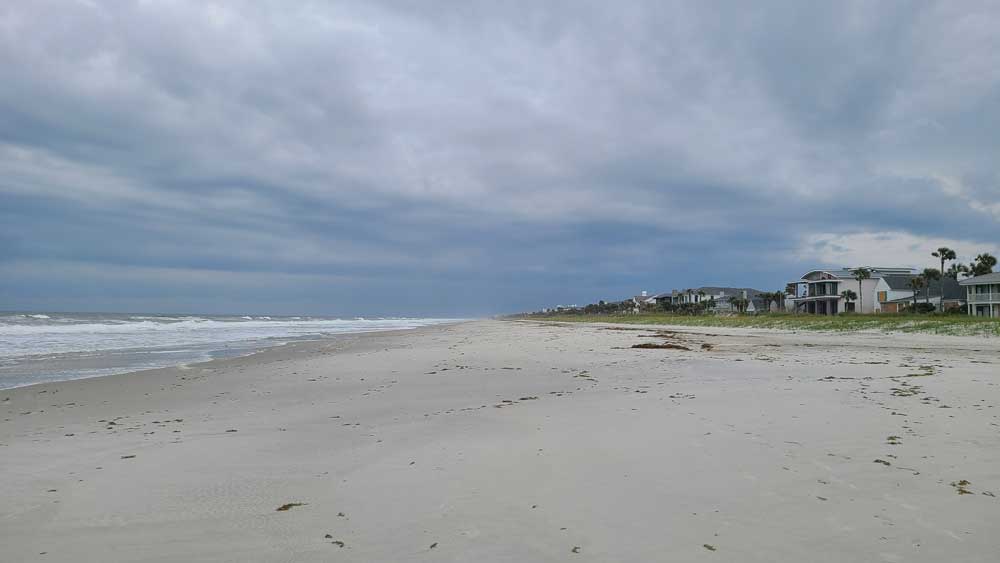
For those who prefer to experience nature, Jacksonville is an insider tip: the expansive Timucuan Ecological and Historic Preserve is just a few minutes from the city center and offers a wild mix of mangrove swamps, pine forests, waterways and hiking trails. Those who prefer sand under their feet will find miles of open beaches with a relaxed surfing atmosphere at Jacksonville Beaches.
Jacksonville also has a lot to offer in terms of cuisine . The selection ranges from freshly caught seafood and southern cuisine to modern food concepts – often served with a view of the water or under huge oak trees. The small restaurants along the Atlantic Beach Town Center or in San Marco with its Mediterranean square atmosphere are particularly charming.
A stay in Jacksonville means discovering diversity, enjoying contrasts and experiencing a place that may not advertise loudly – but is all the more convincing. Whether city, beach or nature – everything is just a stone’s throw away from each other here.
The history of Jacksonville
Jacksonville is one of the most historic cities in Florida – on several levels. Long before European explorers set foot in the north-east of what is now the US state, the area was already inhabited by indigenous peoples, including the Timucua, whose traces can still be found today in the Timucuan Ecological and Historic Preserve.
The region’s European history began as early as the 16th century, when French Huguenots built Fort Caroline in 1564 – one of the earliest European settlements on US soil. Just one year later, however, the fort was destroyed by the Spanish, who then took control of the area. Over the next few centuries, rule changed hands several times between Spain, Great Britain and the United States before Florida officially became an American territory in 1821.
The city of Jacksonville was founded in 1822 – named after Andrew Jackson, the military governor of Florida at the time and later US president. Due to its location on the navigable St. Johns River, Jacksonville quickly developed into an important port and trading center, especially for cotton and timber.
A major turning point came in 1901, when a devastating city fire destroyed large parts of downtown Jacksonville. Over 2,000 buildings fell victim to the flames. However, the city was rebuilt with renewed vigor – partly with the help of well-known architects, which helped shape the cityscape of today.
In the early 20th century, Jacksonville became an important location for the American film industry, even before Hollywood became synonymous with movies. At the same time, the city flourished as a transportation hub and naval base. The construction of Naval Air Station Jacksonville during the Second World War further strengthened this role and is still an important economic factor today.
Over the past few decades, Jacksonville has grown to become Florida’s largest city by area – thanks to the merger of the city and county in 1968. Today, the city combines historic heritage with modern urbanity, military tradition with a creative scene and diverse neighborhoods with unspoiled nature.