



A big city full of life



Tampa | Modern metropolis with an urban soul
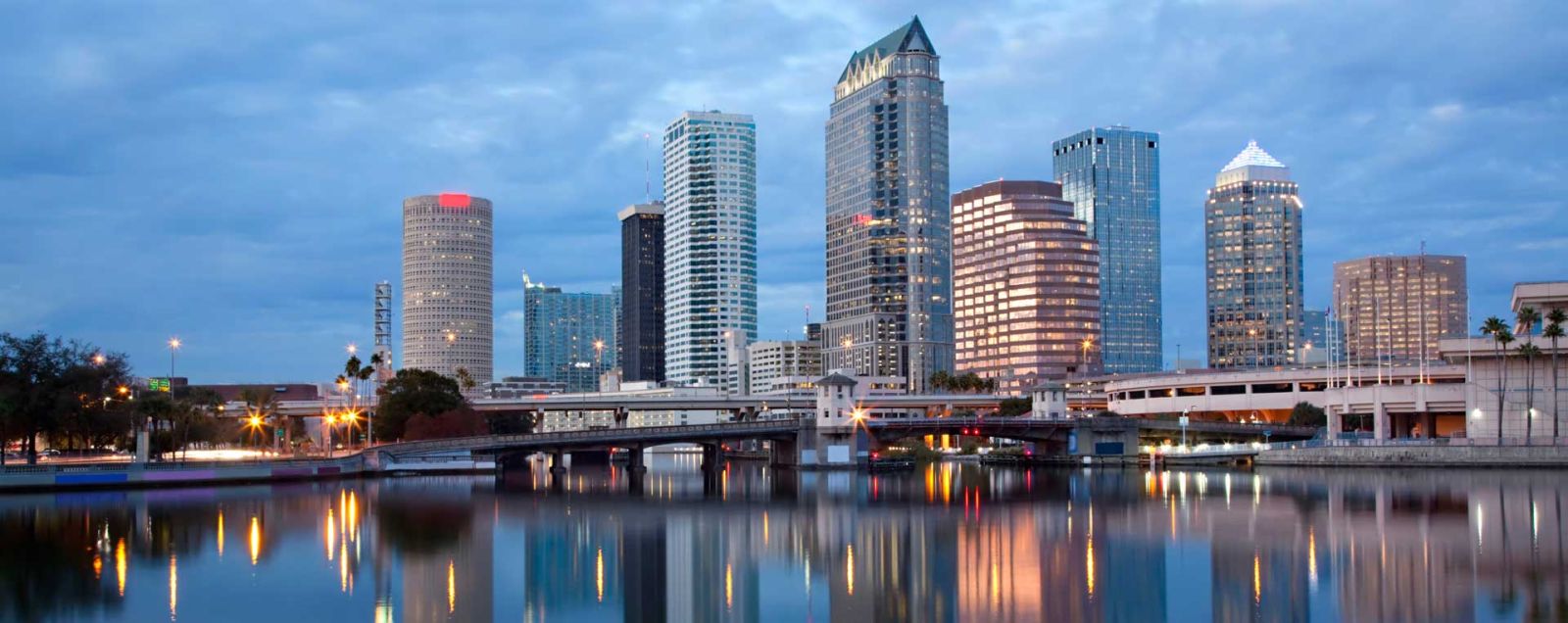
In Tampa , maritime lifestyle meets big city flair! Florido shows you why this modern metropolis with an urban soul is much more than just a stopover on the Gulf Coast. Stroll through the historic alleyways of Ybor City, feel the creative energy in Railroad Square Art Park and enjoy the sunset with skyline views on the Tampa Riverwalk.
Tampa – The most important facts in brief
- Urban coastal flair – modern metropolis with skyline, harbor and Caribbean lifestyle on Tampa Bay. Ideal for city trips.
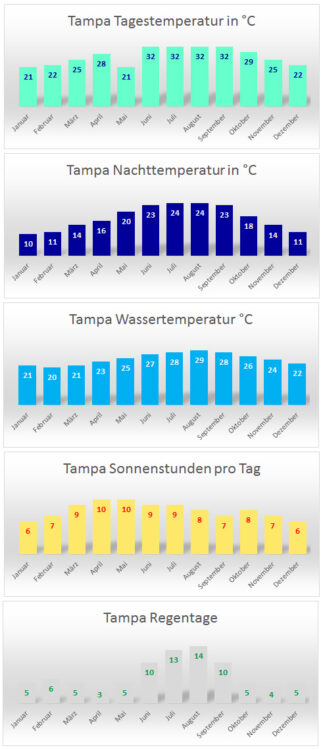
- Best time to visit – October to April with a mild climate, little rain and perfect weather for sightseeing and outdoor activities.
- Culture & Scene – Historic Ybor City, creative neighborhoods, street food, breweries and museums – especially popular: the Tampa Riverwalk.
- Excursions & surroundings – Busch Gardens, Clearwater Beach, St. Pete, Manatee Viewing Center.
- Animals & nature – dolphins in the bay, pelicans on the pier and green retreats such as Lettuce Lake Park or Tampa Zoo.
Climate and Weather

Florida Car Rental Guide & Offers
All information about booking, insurance & providers – with direct comparison at the end.

Restaurants near You
Culinary tips for breakfast, lunch, dinner local specialties
Information Route planner Tampa
| Size | 455.40 km² |
| Population | 414,000 (as at 2025) |
| County | Hillsborough County |
| Coordinates | 27° 56′ 5 “N 82° 27′ 31” W |
| Area code | +1 813 |
| Visitor Center | Coming Soon |
The perfect day in Tampa
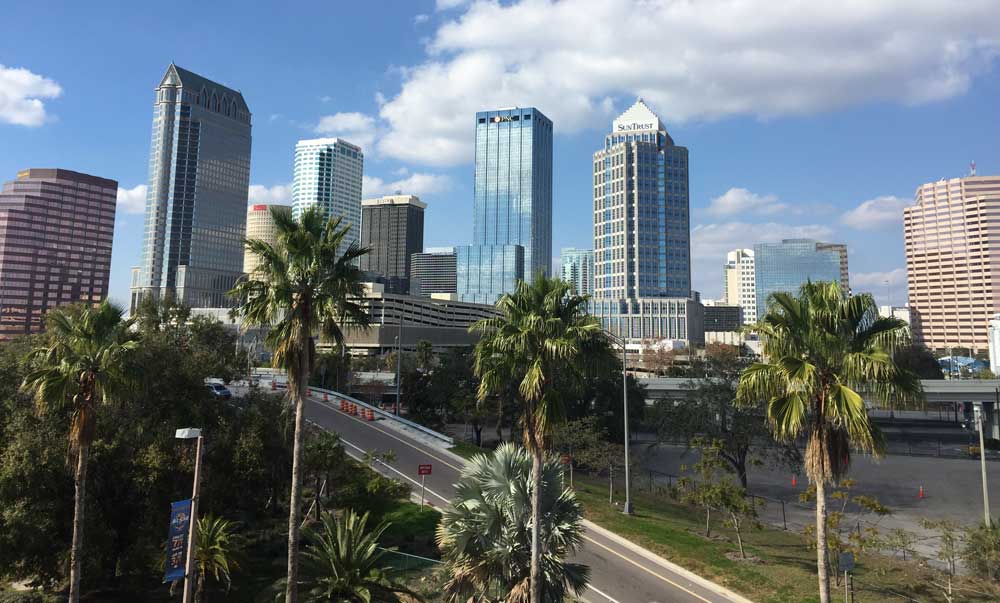
Once we have settled into our accommodation, ideally in one of the centrally located hotels around the Tampa Riverwalk, our perfect day begins with a walk along the waterfront – with a view of the glittering bay, seagulls over the water and our first cup of coffee from one of the small cafés right by the river.
Freshly fortified, we head to the historic Ybor City district, where the cobblestones, Cuban cigar stores and colorful murals immediately convey the feeling of being immersed in another time. If you feel like it, visit the Ybor City Museum or look over the shoulder of a cigar roller before heading to one of the local restaurants serving Cuban cuisine for lunch – for example, a real Cuban sandwich with an ice-cold cafecito.
In the early afternoon, the modern face of Tampa beckons: we visit the Tampa Museum of Art or the Florida Aquarium, where not only children are delighted to see sharks, jellyfish and otters. If you prefer greenery, relax in Lettuce Lake Park, where you can walk on boardwalks through damp cypress forests and, with a bit of luck, even spot alligators.
Towards evening, we are drawn back to the Riverwalk, where the golden hour bathes the skyline in warm light. We treat ourselves to dinner in one of the stylish restaurants with a view of the water – perhaps with fresh seafood or tapas. Afterwards, we watch as life in Tampa slowly shifts to the bars and rooftop lounges – and if we like, we end the day with live music at Sparkman Wharf or one of the breweries in Seminole Heights.
Activities highlights around Tampa
Beaches
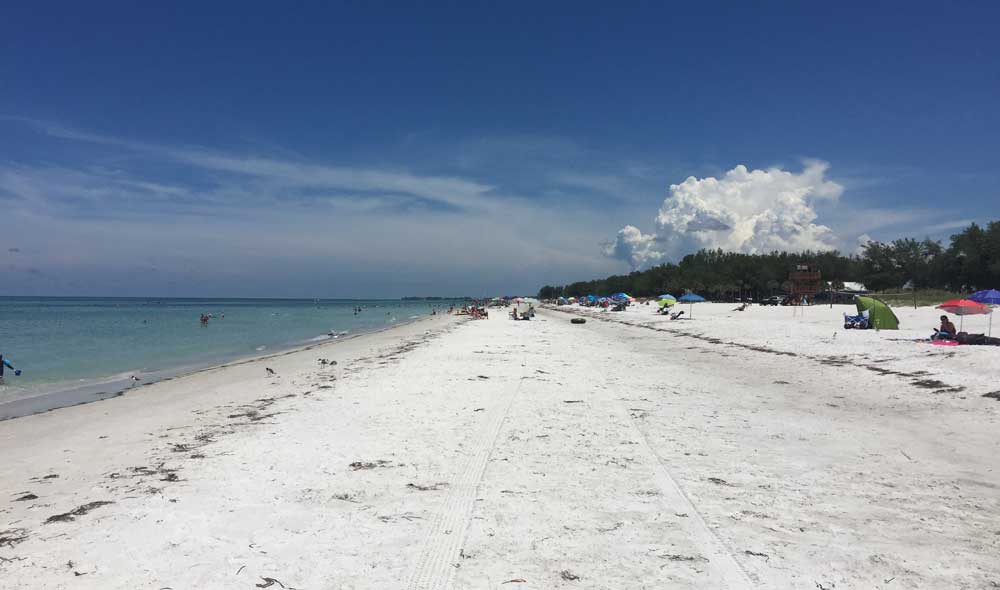
Coquina Beach | Spacious & family-friendly
Nature Parks

Where to See Manatees in Florida – Best Spots & Season

Myakka River State Park | Wildlife & nature in old Florida
As soon as you enter Myakka River State Park, it becomes clear:…
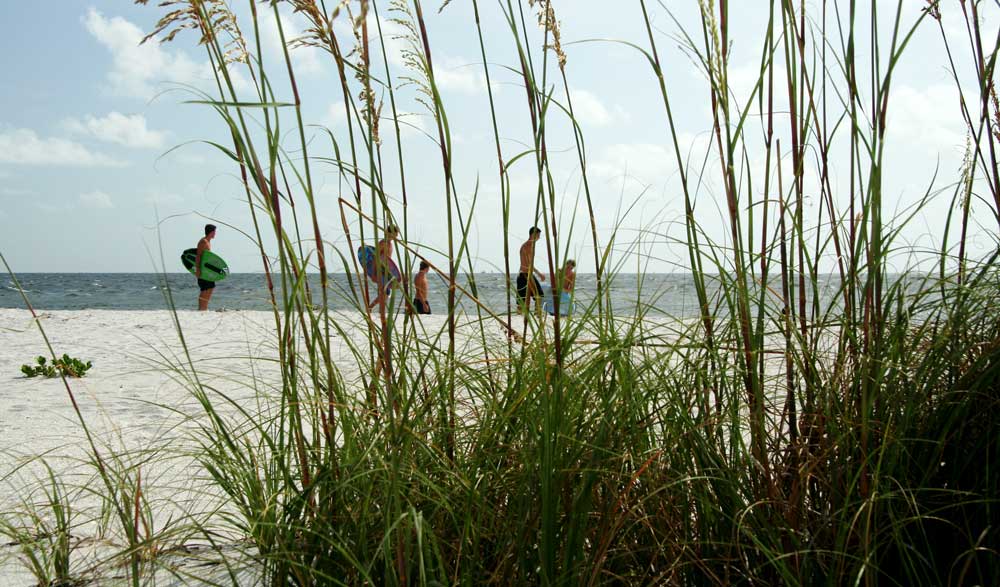
Gasparilla Island State Park | Boca Grande & Hidden Gulf Beaches
Attractions
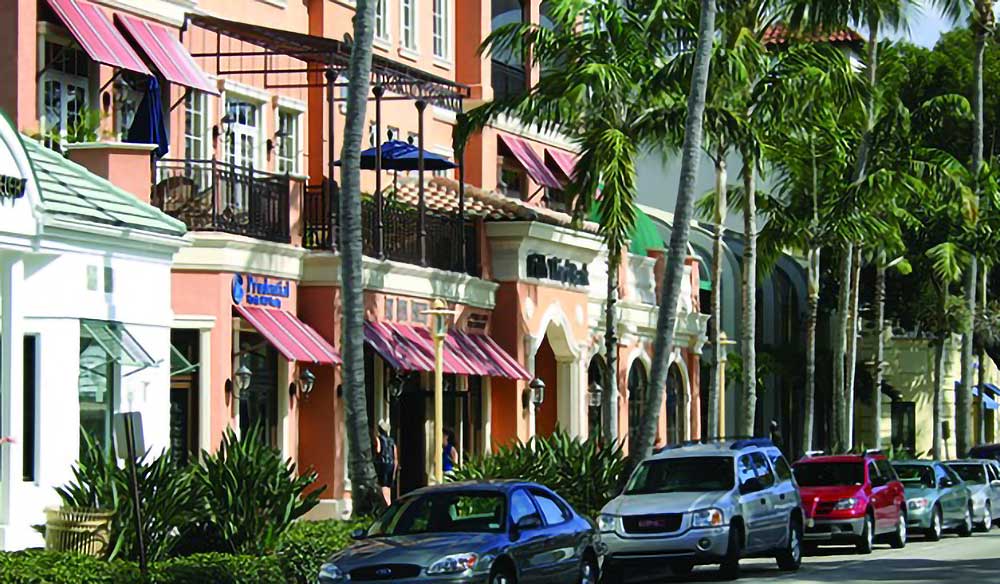
Old Naples: Romantic, chic and very Mediterranean
Events
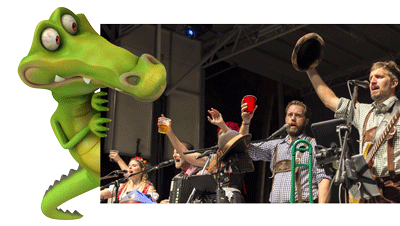
Tampa – more than just an insider tip
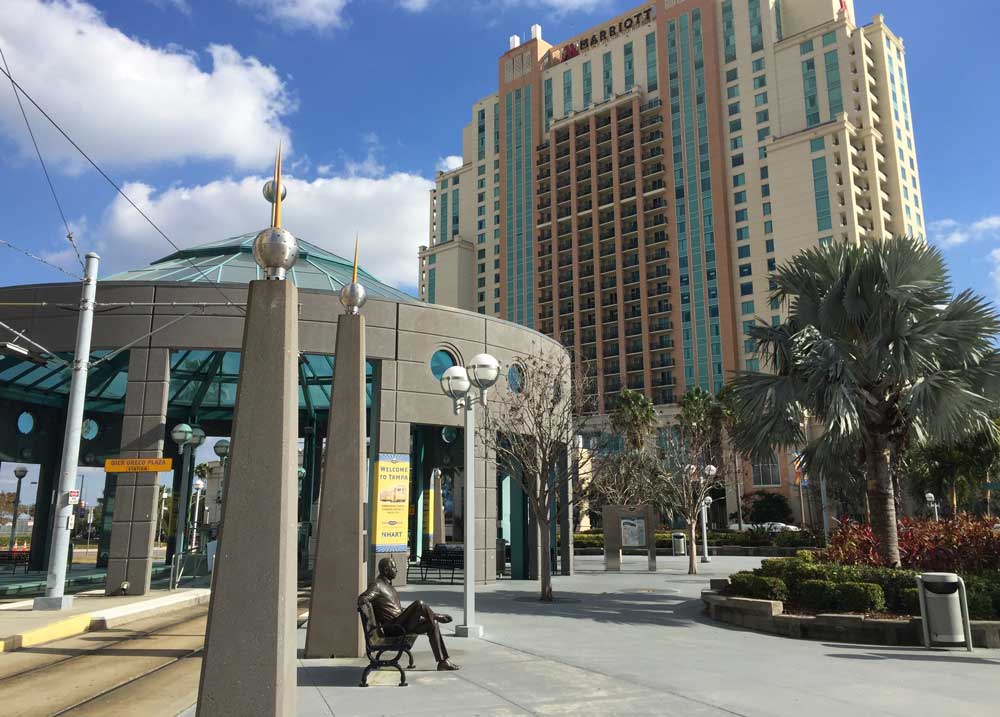 Rest at the Riverwalk
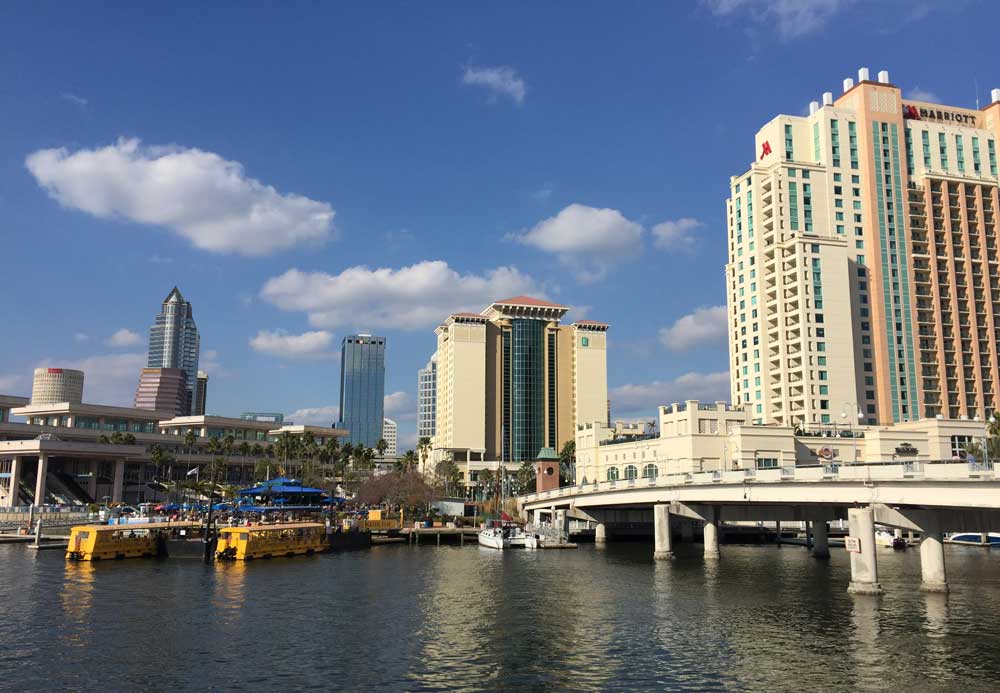 On the Hillsborough River
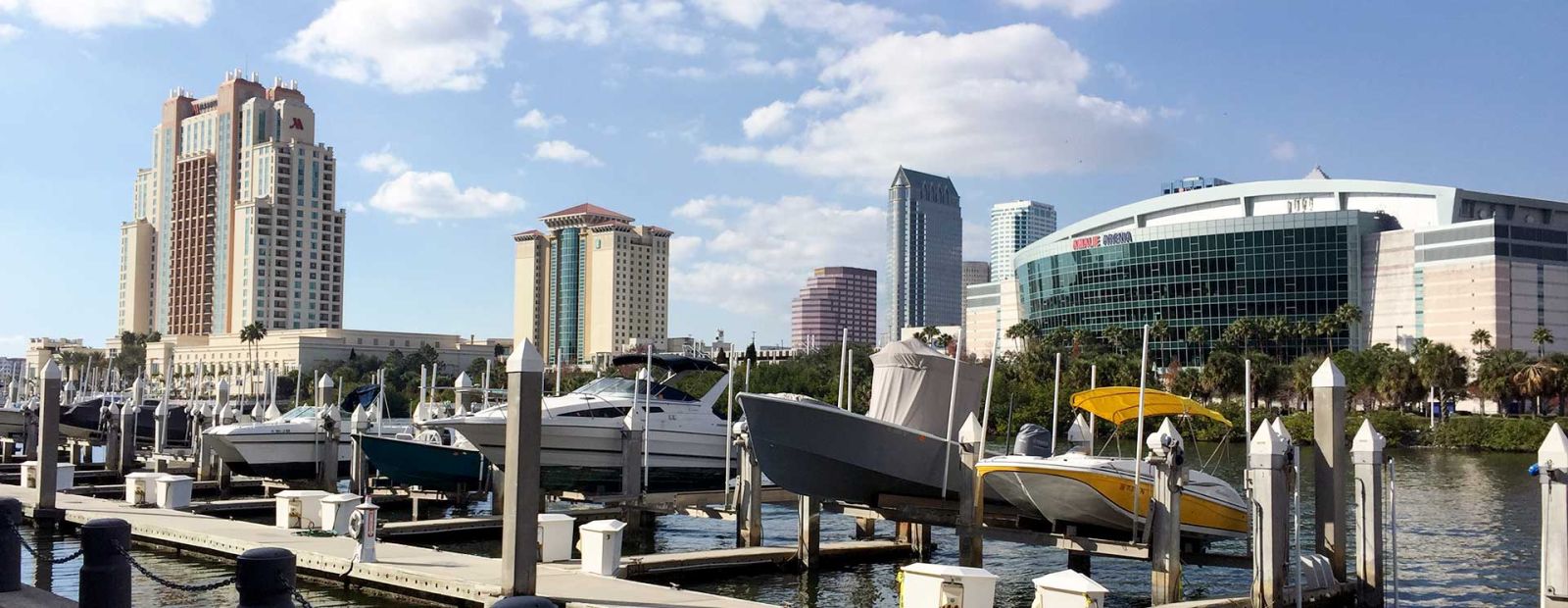
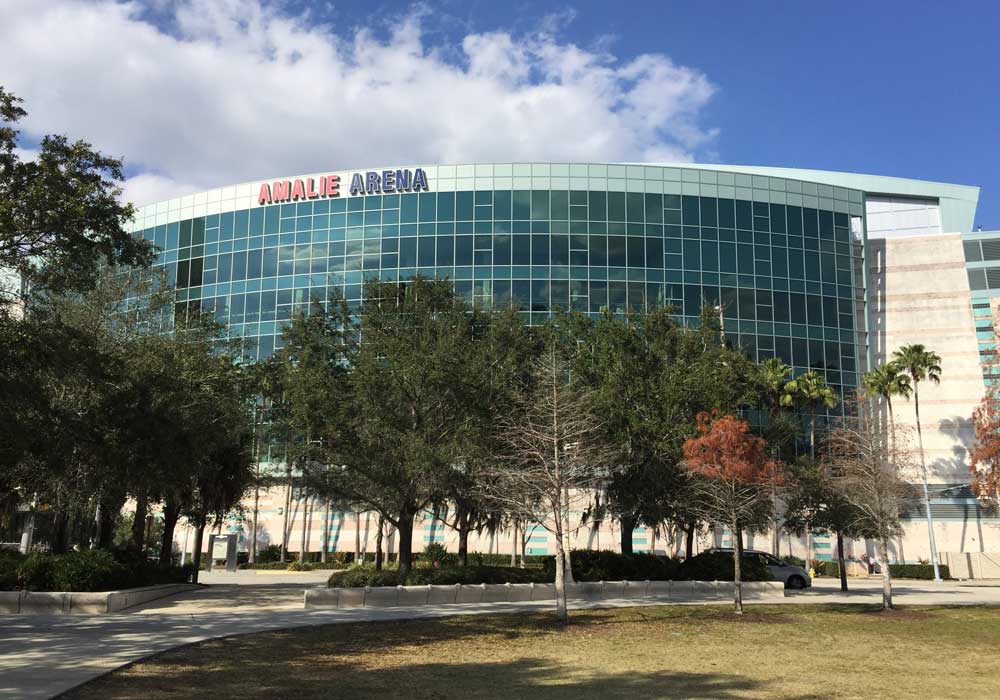 Sports events and concerts take place in the Amalie Arena.
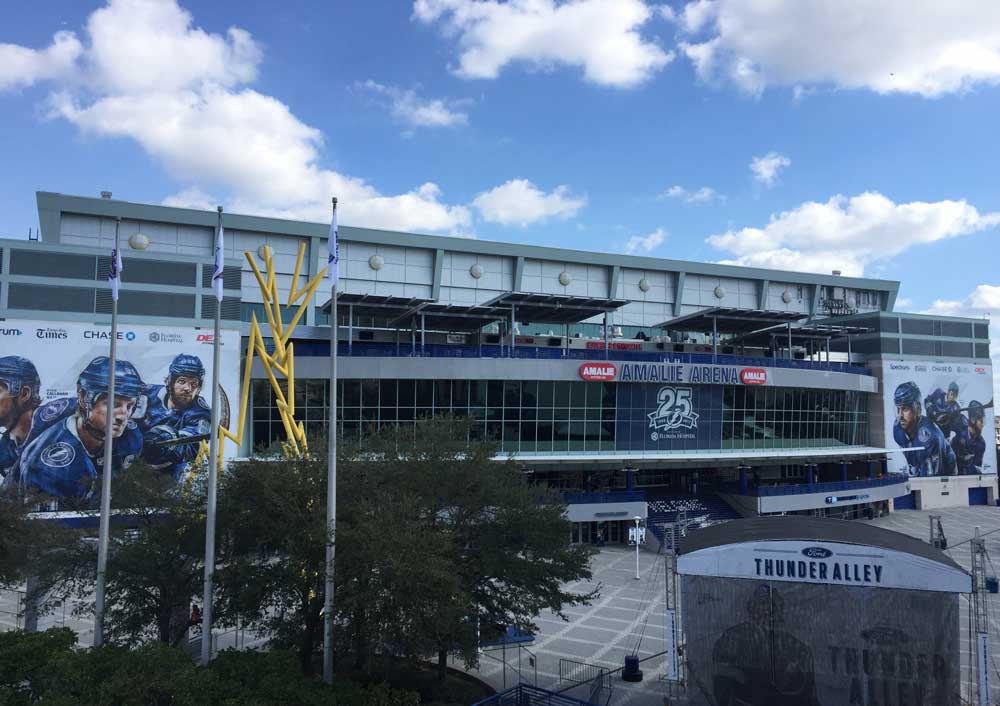 Back of the Amalie Arena
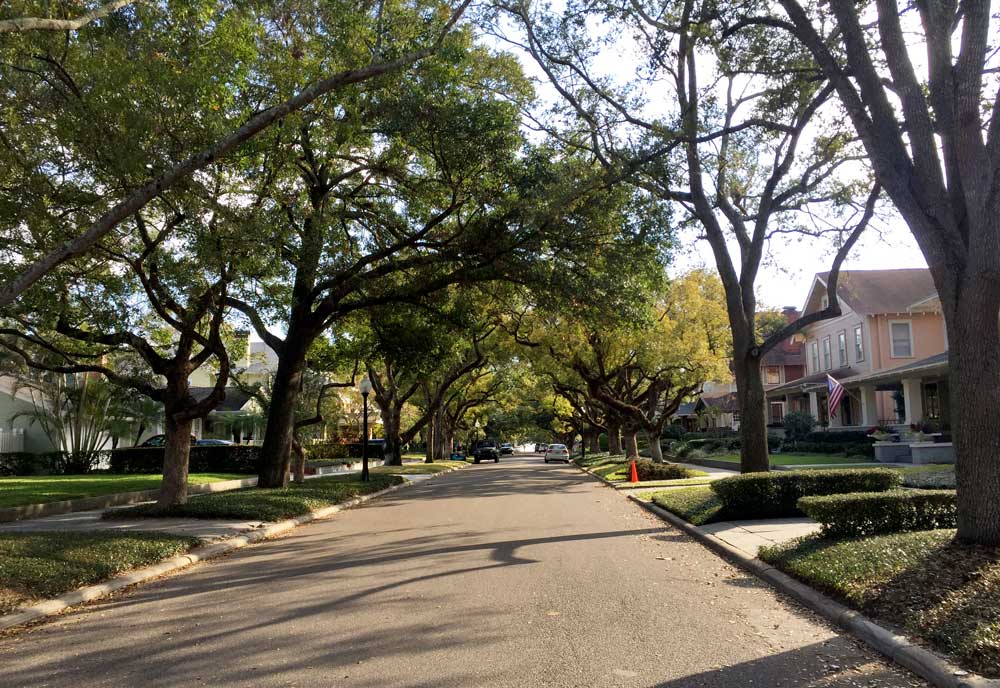 Urban life around Tampa
Tampa is the city for anyone who wants to experience Florida from its authentic, urban side. In recent years, the metropolis on Tampa Bay has developed into a real hotspot for city travelers, creatives, families and young entrepreneurs – but has never lost its relaxed Gulf Coast mentality.
What sets Tampa apart is its successful blend of modern infrastructure, access to nature and cultural diversity. Between the glittering skyline and the expansive bay, a city unfolds that doesn’t stage itself, but simply lives: walks along the Riverwalk, kayak tours through mangroves, street food by the water or sunsets with a view of the downtown skyline, where the everyday life of the locals feels like a vacation.
Tampa’s transformation is visible – for example in the new Water Street District, where innovative architecture, green building concepts and sustainable urban planning come together. High-quality residential quarters, hotels, restaurants, health centers and offices are being built here, rethinking urban quality of life. At the same time, Tampa remains accessible and charming: with quiet residential areas, family-friendly parks and a manageable city structure.
Pure nature with pelican, dolphin and manatee
The proximity to nature is particularly remarkable: In Lettuce Lake Park or on Tampa Bay itself, you can spot dolphins, pelicans or even manatees right on the doorstep. The city also has a lot to offer culturally: Museums such as the Tampa Museum of Art, concerts at the Straz Center and Buccaneers games attract locals and visitors alike.
Tampa also scores points for its excellent connections: The airport is only a few minutes away from downtown, and public transportation such as the Streetcar or the Selmon Expressway make getting around easy. And if you fancy the beach, you can be on the coast in around 30 to 45 minutes – for example in Clearwater or St. Petersburg.
Tampa is a city that strikes a balance between innovation and serenity, metropolis and neighborhood, coastal flair and urban dynamism. Once you’ve experienced it, you’ll quickly understand why this destination has long been more than just an insider tip on Florida’s west coast.
Ybor City – Cuban heritage
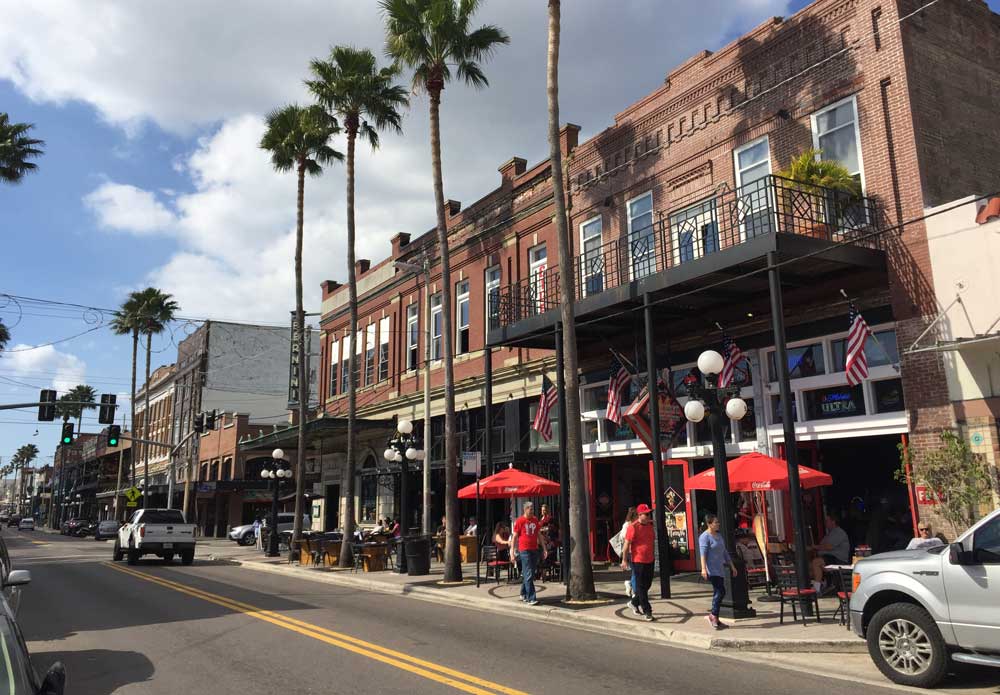 World capital of cigars
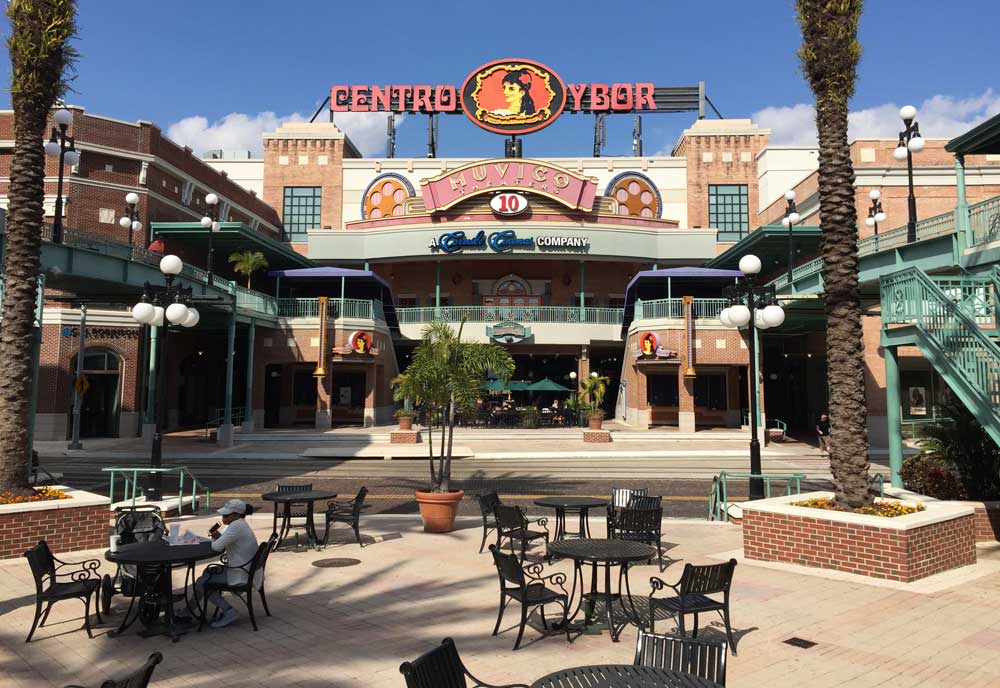 Centro Ybor amusement mile
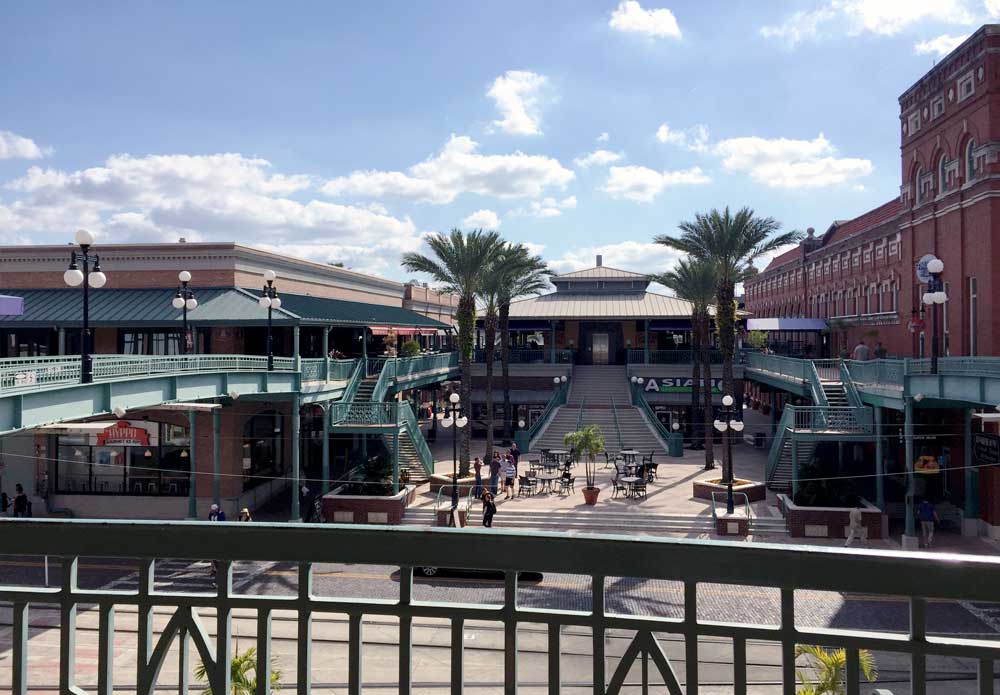 Ybor Centro
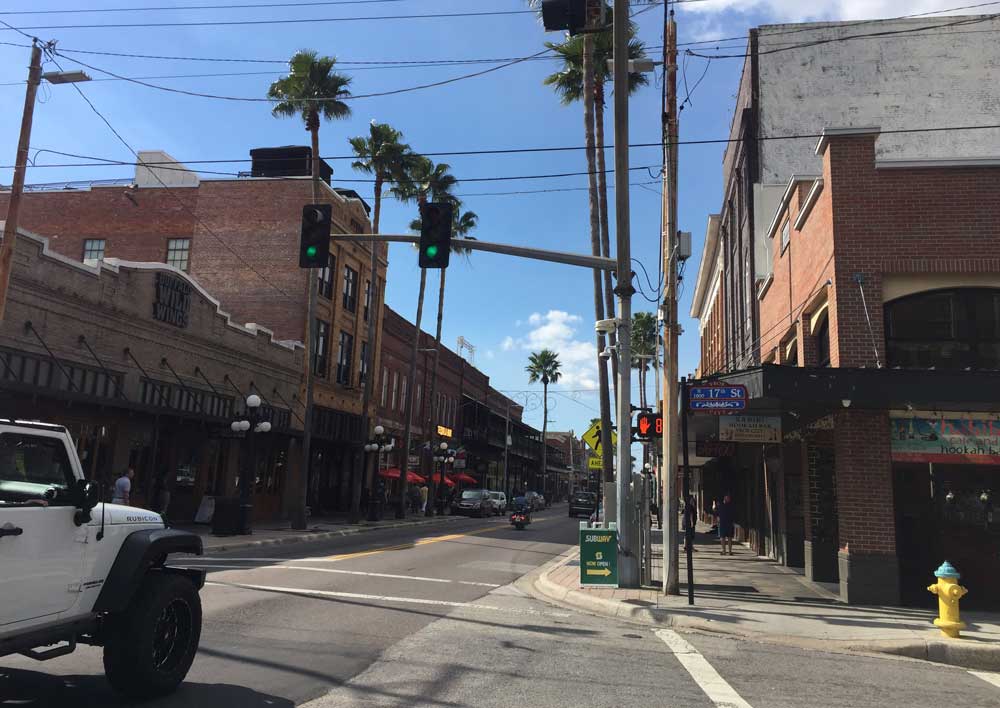 There are many bars in Ybor City.
Just a few minutes away from the modern city center lies Ybor City, the historic heart of Tampa – and also one of its liveliest districts. Founded at the end of the 19th century by Cuban and Spanish immigrants as a center of cigar production, Ybor City has retained its unmistakable identity to this day.
The smell of freshly rolled cigars wafts through the air as you stroll along the cobblestones of 7th Avenue. Traditional cigar stores still display genuine craftsmanship, while historic brick buildings, wrought-iron balconies and colorful murals characterize the streetscape.
But Ybor City is much more than just an open-air museum. The district is vibrant – with small galleries, live music, an alternative club scene and an exciting gastronomic culture that blends Cuban, Italian and modern influences. Here you can drink cafecito in the morning, stroll through vintage stores in the afternoon and dance to Latin beats in one of the bars at sunset – often accompanied by free-range chickens, which are considered a landmark of the district.
If you want to delve deeper, visit the Ybor City Museum or take a guided tour of the former cigar factories. And for those who simply want to enjoy themselves, the numerous street cafés, rooftop bars and breweries are the perfect place to soak up Ybor City’s special lifestyle.
History of Tampa
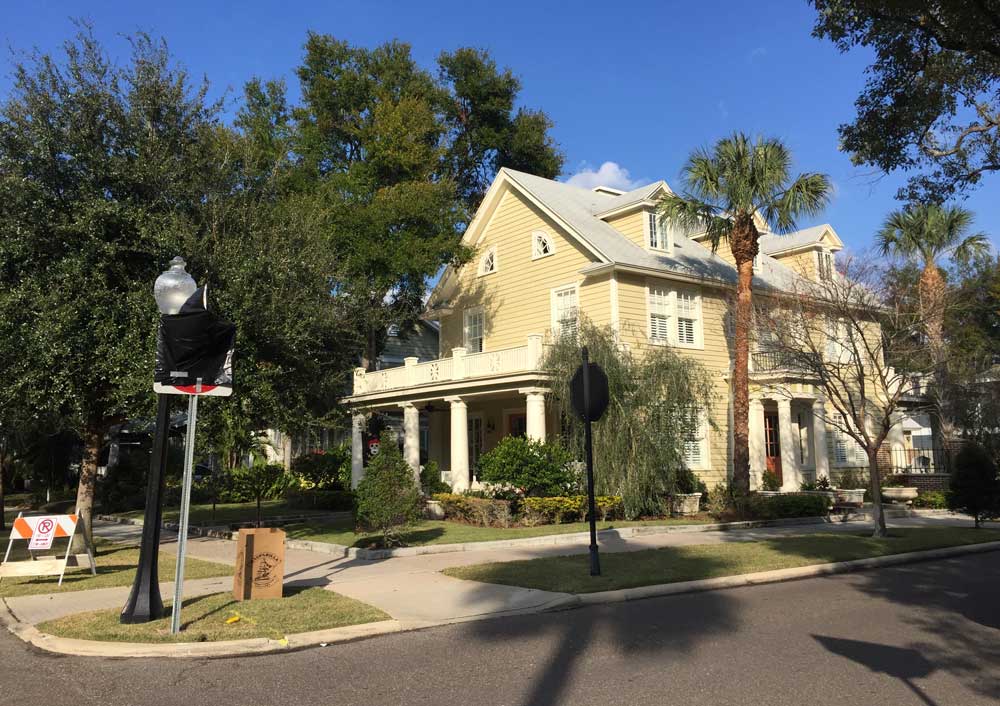 Townhouse on the outskirts of Tampa
Tampa is one of the oldest cities on Florida’s Gulf Coast and looks back on a long, eventful history. The region was originally home to the indigenous Tocobaga tribe before the Spanish explorers claimed the area for themselves in the 16th century . However, the city’s modern history begins in the 19th century, when Tampa gained economic importance with the construction of an army fort and the discovery of phosphate deposits.
A decisive turning point came with the Henry B. Plant connected Tampa to the railroad network in 1884, making it an important trading and port location in west Florida. Around the same time, the Cuban cigar manufacturer Vicente Martinez-Ybor also began to bring workers from Cuba, Spain and Italy to the region – and founded the Ybor City district, which is still famous today and made Tampa the “cigar capital of the world”.
The population grew rapidly, mainly due to immigrants from Latin America and Europe. At the beginning of the 20th century, Tampa was a center for port business, cigar production and railroad logistics – and at the same time a culturally colorful city with lively neighborhoods, theaters and music clubs.
During the Second World War, Tampa also developed militarily through the MacDill Air Force Base, which further accelerated economic growth. In the post-war decades, new residential areas, shopping centers and leisure facilities were built – many of them on the shores of Tampa Bay, which became a popular recreational area.
In the last 20 years , Tampa has undergone a further transformation: the city center has been extensively modernized, new districts such as Water Street Tampa have been created and cultural facilities such as the Straz Center and the Tampa Museum of Art have been expanded. Today, the city has around 414,000 inhabitants with over 3.4 million in the Tampa Bay metropolitan region – and the trend is rising.