


Fish species in Florida | Overview and how to fish them
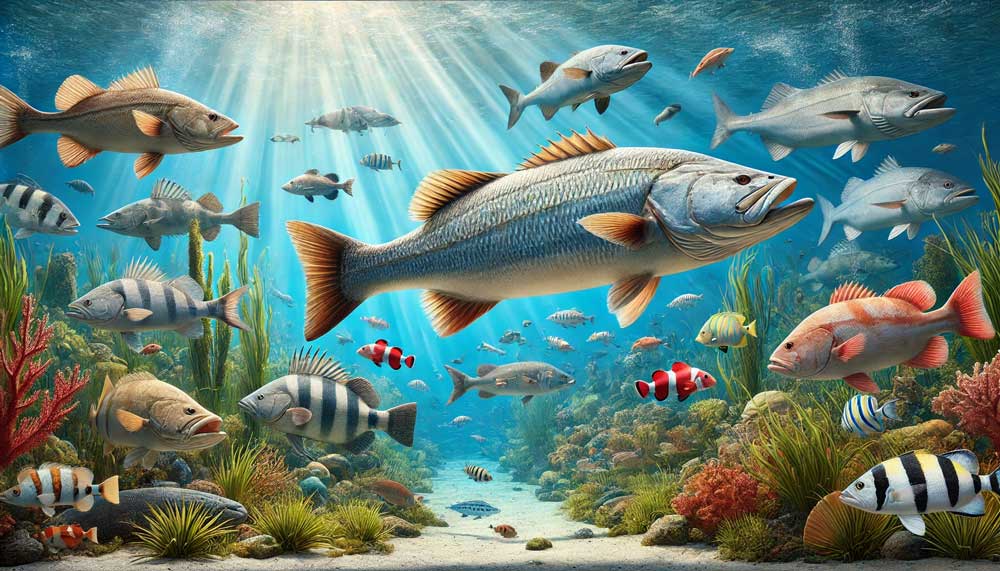
Florida’s waters are an angler’s paradise – from the Gulf of Mexico to the Atlantic coast and the countless lakes and rivers inland. The biodiversity is impressive, but it is changing noticeably. This is due to climate change with its hurricanes, red tides and other effects.
Popular fishing regions in Florida
The Sunshine State offers an impressive variety of fishing grounds with many fish species – each region with its own character. In Southwest Florida around Cape Coral, Fort Myers Beach or Sanibel Island, you can expect extensive brackish water zones, mangroves and countless canals – perfect fishing opportunities for inshore fishing for snook, redfish or sheepshead.
The Florida Keys with Islamorada and Key West are a paradise for offshore fans of deep-sea fishing: Tarpon, bonefish and mahi-mahi can be found here, while the tropical charm provides a real sense of adventure. Inland, Lake Okeechobee is considered a freshwater mecca – particularly popular with bass anglers.
In the Panhandlethe northwest of the state, you will find long sandy beaches, numerous piers and clear water – ideal for families and coastal anglers. And those looking for peace and quiet will find it in the Everglades: a real natural paradise and hotspot for fly fishing. You should have a fishing license with you wherever you go. Bait and fishing rods are definitely available in the Bass Pro Shop or the countless Baits and Tackle stores.
Southwest Florida anglers often target snook, redfish, and tarpon. Bag and size limits vary by region—check the latest FWC guidelines before fishing.
A complete list with pictures, habitat, size, behavior and fishing tips is provided by the Florida Fish and Wildlife Commission.
Saltwater fish species – coastal classics
Florida’s coastal regions offer excellent conditions for saltwater anglers. Whether pier, inshore boat or offshore trip – these fish can often be found:
| Firschart | in German | Typical place | Special feature |
|---|---|---|---|
| Snook | Snook (no German name) | Mangroves, brackish water | Fierce, popular food fish |
| Redfish (Red Drum) | Red drummer fish | Shallow water near the coast, bays | Easy to recognize by the black dot |
| Tarpon | Tarpon (no German name) | Coasts, estuaries | Very large, popular sport fish |
| Sea Trout | Sea trout | Seagrass meadows, lagoons | Easy to catch, good for beginners |
| Gouper | Grouper | Offshore reefs, wrecks | Popular on charter tours |
| Snapper | Snapper (no German name) | Offshore reefs, wrecks | Popular on charter tours |
| Mahi-Mahi (Dolphinfish) | Dolphinfish | Offshore (May-Oct season) | Colorful & fast |
Freshwater fish species – Lakes, rivers & canals
Florida is also a top destination for anglers away from the coast. In the Everglades, in Lake Okeechobee or in the countless canals of Cape Coral, Fort Myers or Fort Lauderdale, for example, these fish are waiting:
| Firschart | in German | Typical place | Special feature |
|---|---|---|---|
| Largemouth Bass | Trout perch | Lakes, rivers, canals | No. 1 sport fish in Florida |
| Bluegill / Sunfish | Sunfish / bluefin perch | Smaller waters, close to the shore | Ideal for children & beginners |
| Peacock Bass | Peacock bass | South Florida Canals | Introduced, tropical colored |
| Catfish | Catfish | Deeper water, often at night | Active in the dark, popular food fish |
| Crappie | Black / white perch | Lakes and ponds | Frequently in spring |
| Bowfin (Mudfish) | Mudfish | Swamps, backwaters | Primeval-looking, tough, exciting drill |
| Gar (Alligator Gar) | Alligator pike | Rivers, large lakes | Predatory fish with armored scales, rarely caught |
| Tilapia | Cichlid fish (genus Tilapia) | Warm ponds & canals | Imported, often as by-catch |
| Warmouth Bass | Warmouth (no German name) | Shallow, overgrown waters | Compact but aggressive |
Fish in both worlds – brackish water specialists
Some fish species thrive in fresh and salt water – especially in estuaries, mangrove zones and brackish waters:
| Firschart | in German | Typical place | Special feature |
|---|---|---|---|
| Snook | Snook (no German name) | Mangroves, estuaries, coastal channels | Alternates between fresh & salt water depending on the season |
| Tarpon | Tarpon (no German name) | Mangroves, rivers | Young animals often grow up in fresh water |
| Black Drum | Black drummer fish | Estuaries, shallow bays | Lives as a juvenile in brackish water, later migrates to the sea |
| Mullet | Mullet | Near the coast, canals | Widespread, often jumps out of the water |
| Sheepshead | Sheepshead fish | Docks, bridges, brackish zones | Distinctive teeth, loves crabs & mussels |
Small fish encyclopedia
The fish species in Florida are as diverse as the fishing methods – our overview shows you the fish species that await you when fishing on the coast and offshore.
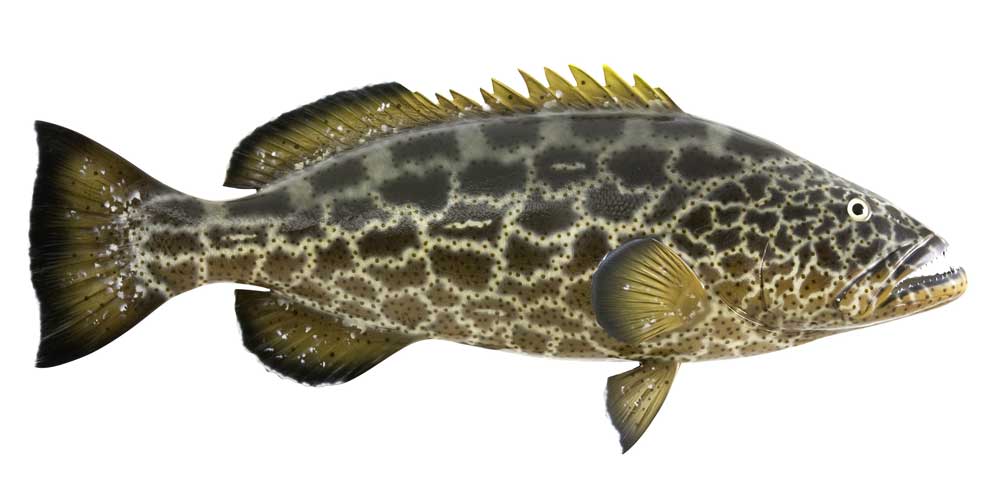
Black Grouper | Gamefish from the deep
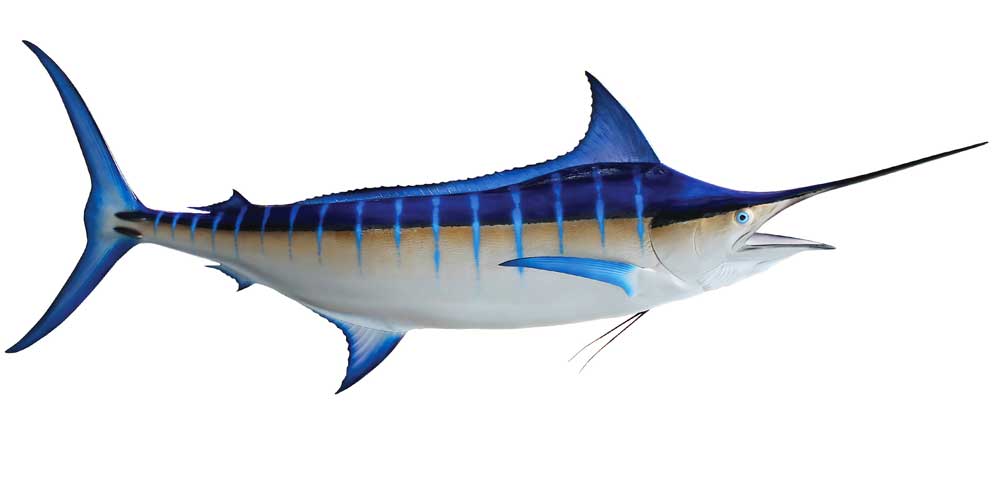
Blue Marlin | Florida’s King of Game Fish
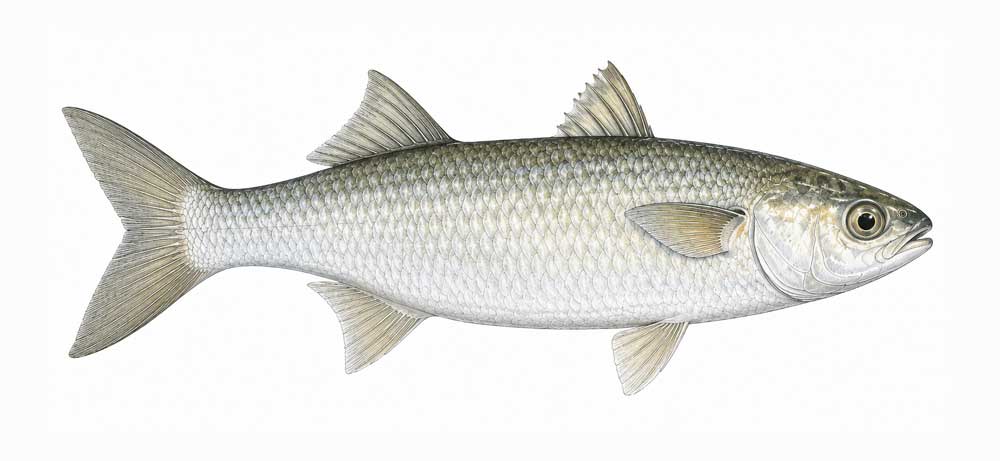
Mullet | The silver schooling fish of coastal waters
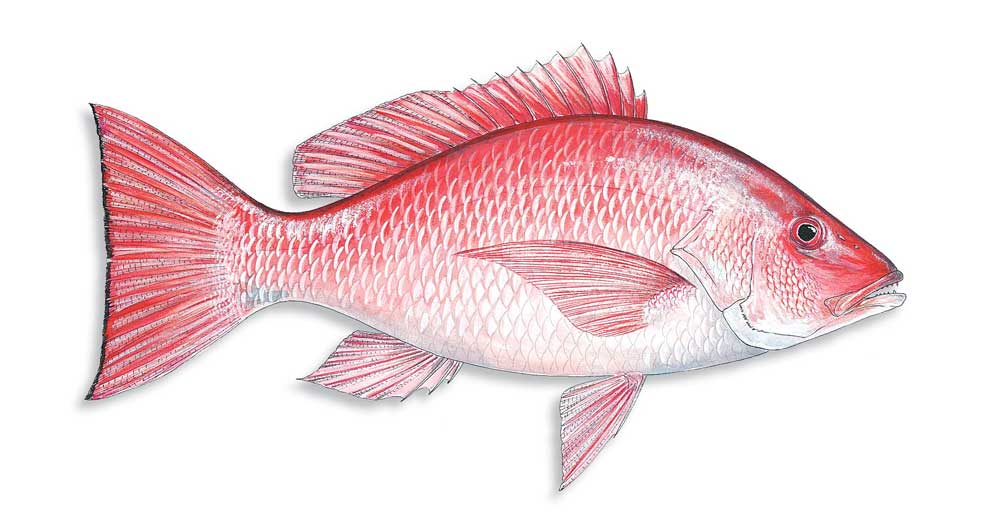
Red Snapper | Scarlet red and combative
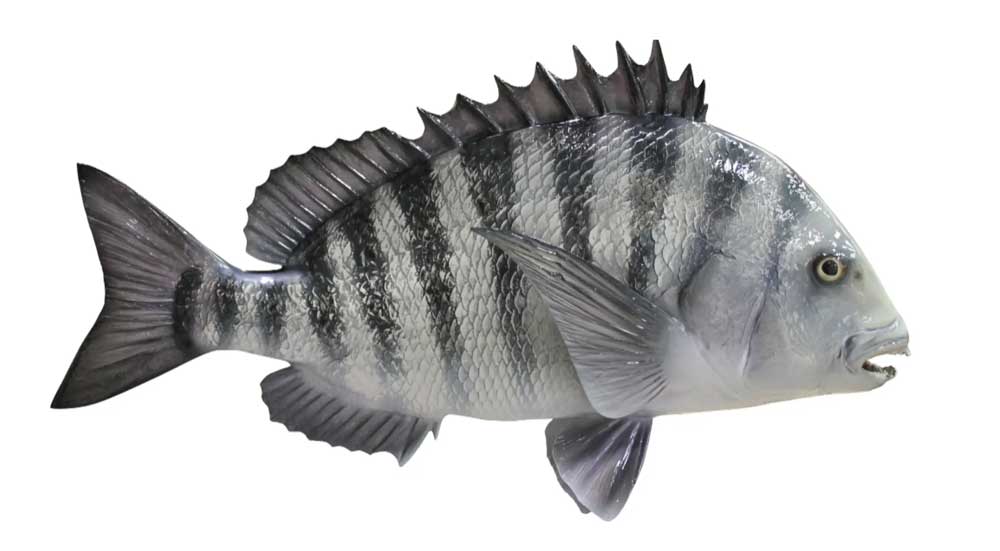
Sheepshead | Zebra stripes and sharp fins
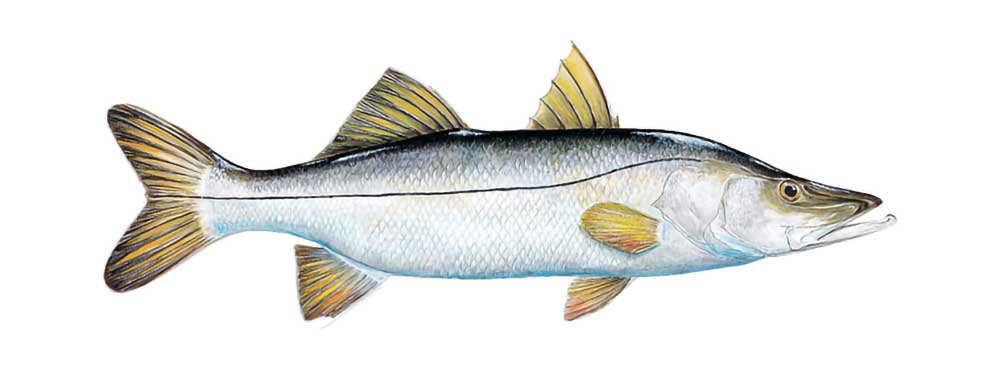
Snook | Divided dorsal fin and black lateral line
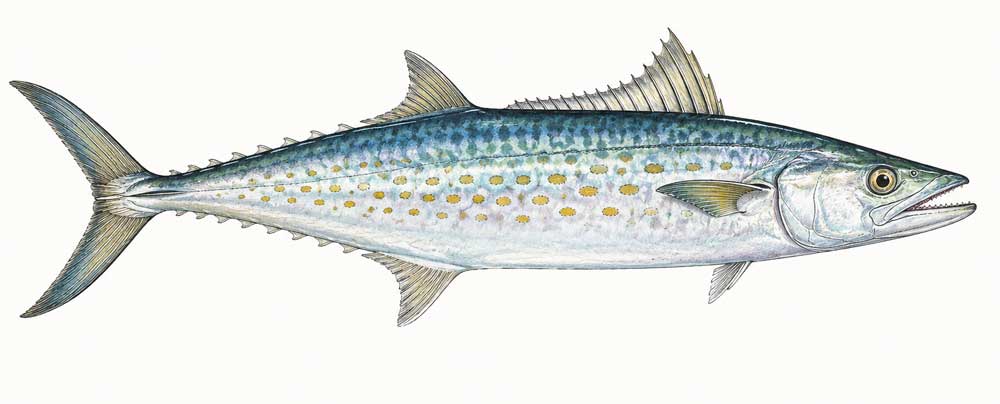
Spanish Mackerel | How to recognize and catch them!
The changing world of fish
Climate change is noticeably altering Florida’s fish stocks. Warmer waters are shifting the distribution zones of many species northwards. Tropical species such as barracuda and mahi-mahi are now found much further north than they were 20 years ago.
Red tide, a toxic algal bloom, is occurring more frequently and more intensively as a result of rising sea temperatures. It not only kills large quantities of fish, but also disrupts entire ecosystems – and leads to fishing bans and tourism losses.
Hurricanes also affect fish stocks by changing coastal structures, spawning grounds and water quality. After a storm, it often takes months for stable stocks to regenerate.