Real estate in Florida: Current market 2026 between stabilization & opportunity
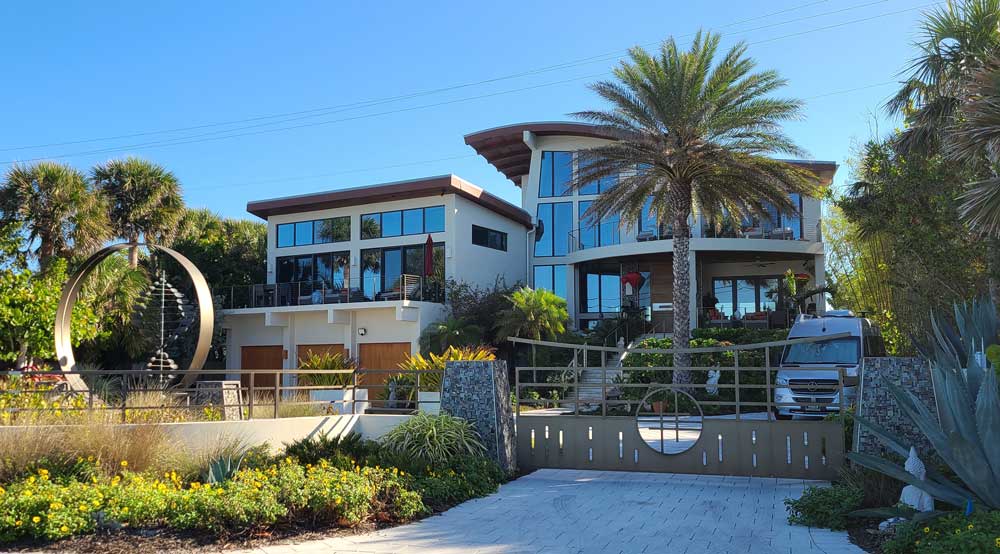
The market for real estate in Florida is more stable in 2026 than in the boom years, but much more selective. After the sharp price increases between 2020 and 2022, the balance of power between buyers and sellers has normalized. Anyone looking to buy or invest in Florida today will find more room for negotiation than during the boom – but will have to check the region, property type, insurance costs and ongoing ancillary costs very carefully.
Stabilization after the boom
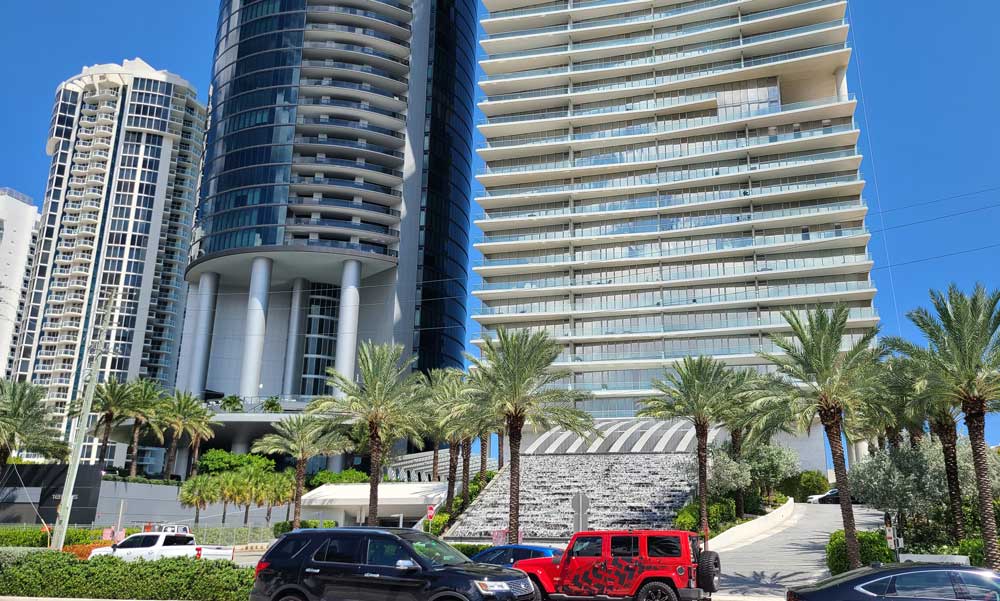
 It doesn’t have to be an entire floor in the Porsche Design Tower (left), where you drive your car into the penthouse apartments.
Current market data does not show a consistent picture. According to Florida Realtors, sales of existing single-family homes rose by 2.4 % in April 2026 compared to the previous year, while condo and townhouse sales rose by as much as 6.9 %. Pending sales also increased. The median price for single-family homes was 420,000 US dollars, up 1.8 % on the previous year, while condos and townhouses remained stable at 315,000 US dollars. Redfin also reported an increase of 1.8% in the median price for March 2026, although marketing times remained long at 77 days.
Florida remains a sought-after real estate location, but the market is no longer characterized by price surges across the board. Buyers are comparing more closely, financing has become more expensive and many sellers have to calculate more realistically. At the same time, the supply in many regions is still large enough to give buyers more choice.
The difference between single-family homes and condominiums is particularly interesting. Single-family homes are more stable in many places, especially in sought-after residential areas with good infrastructure. The condo market remains more sensitive because, in addition to the purchase price and financing, HOA fees, insurance, reserves and possible special levies also play a greater role.
For buyers, this means that Florida will not be an easy bargain market in 2026, but a market with better entry opportunities than just a few years ago. Buyers with sufficient equity, patience and regional market knowledge in particular will be able to negotiate more strongly again.
Regional differences remain decisive
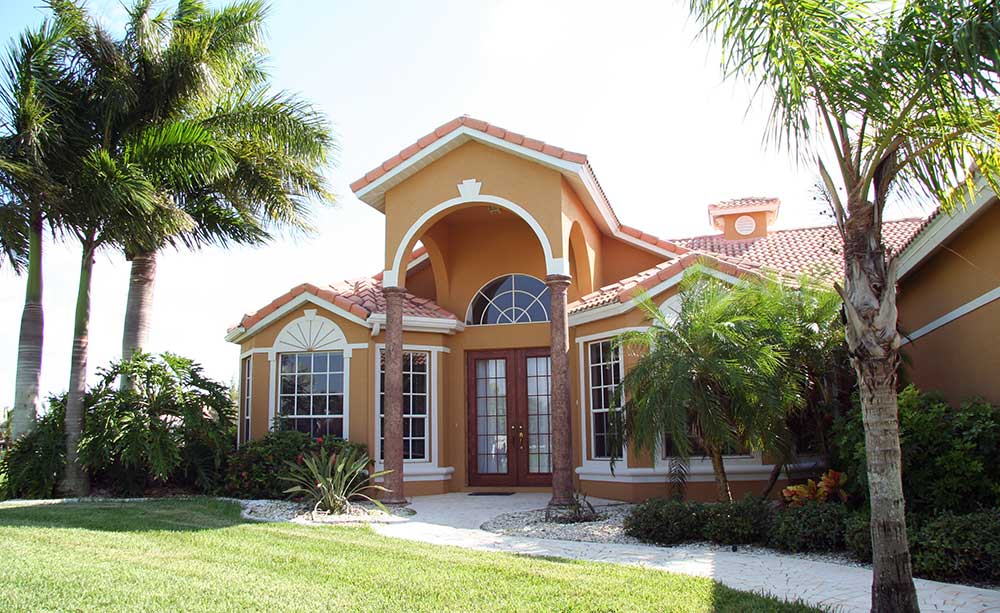 Holiday Home in Cape Coral
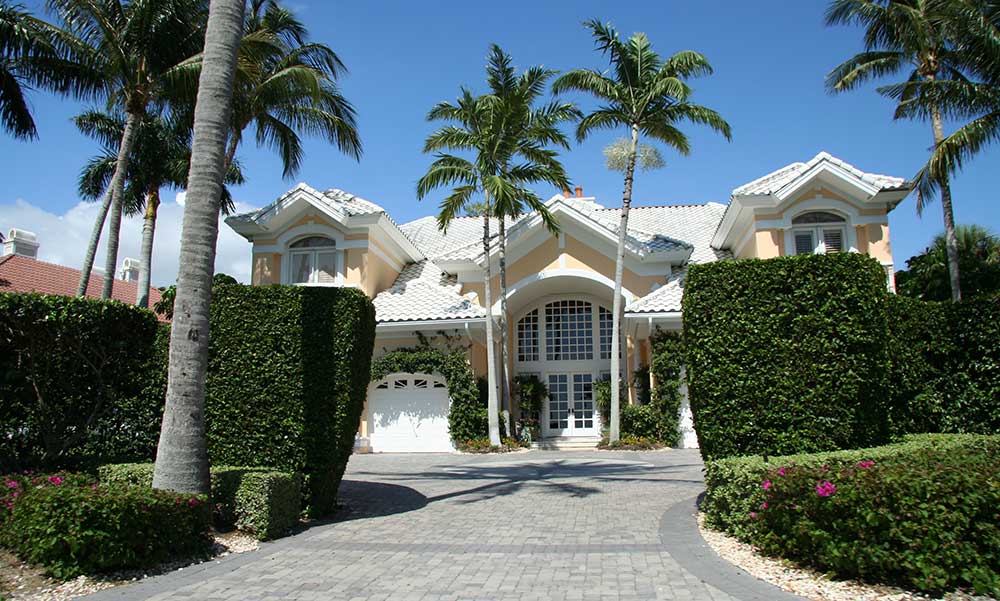 Luxury Property in Naples
A blanket assessment of the real estate market in Florida in 2026 is quickly misleading. Miami, Tampa, Orlando, Sarasota, Naples, Fort Lauderdale, Cape Coral and Gainsville are developing differently. The labor market, influx, construction activity, insurability, flood situation and infrastructure have a greater influence on prices than in the past.
Demand remains stable in economically strong regions, for well-located single-family homes and in the upmarket segment. In contrast, some coastal properties, older condos and properties with a high renovation or insurance risk are weaker. Regions that are heavily dependent on the investor or vacation rental market are also more sensitive to rising costs and changes in demand.
For German-speaking buyers, a detailed inspection is therefore more important than ever. Decisive factors are not only location and purchase price, but also flood zone, roof age, wind mitigation certificates, insurability, HOA rules, possible assessments and long-term resaleability.
Challenges and opportunities in Florida real estate
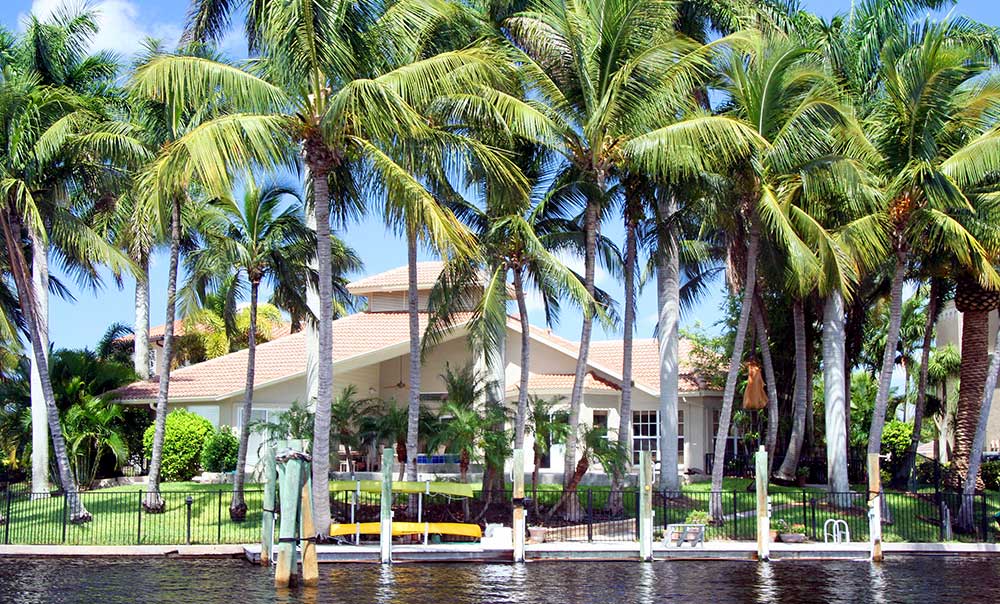
 Villa on the Canal in Cape Coral
Insurance and condo rules remain burdening factors
High insurance costs will remain one of the key issues on the market in 2026. There are initial signs of stabilization. Citizens Property Insurance is expected to reduce premiums for many policyholders in 2026, by an average of 8.7%, and the government is pointing to more competition and relief through reforms. Nevertheless, costs in coastal locations, older houses and riskier zones remain a key factor in purchasing decisions and returns.
Condos are subject to additional requirements. Florida has introduced stricter requirements for inspections and reserves following the collapse of Champlain Tower South. Structural Integrity Reserve Studies are relevant for many condo associations. Existing owner-controlled associations generally had to have these completed by the end of 2025, in some cases by the end of 2026 in conjunction with certain milestone inspections.
This can place a financial burden on older units. Higher reserves, repairs or special levies have a direct impact on the attractiveness and affordability of individual units. Anyone looking to buy a condo in 2026 should therefore not only consider the purchase price, but also check the association budget, reserves, insurance, protocols, planned renovations and possible special payments.
Opportunities for buyers and investors
Despite these risks, Florida remains a promising market. Population growth, tax advantages, economic dynamism and the warm climate continue to generate demand. At the same time, the normalization after the boom is opening up more realistic price negotiations again.
Of particular interest are single-family homes in well-developed residential areas, solidly built properties with up-to-date technology and properties outside particularly expensive or high-risk coastal areas. Inland regions can also be attractive for buyers if the infrastructure, labor market and quality of life are right.
Sustainability and operating costs are also becoming increasingly important. Energy-efficient homes, modern insulation, durable roofs, impact windows, good air conditioning systems and solar panels can reduce running costs and improve market opportunities. In Florida in particular, it is not just the purchase price that counts, but the overall cost structure over several years.
Conclusion on Real Estate in Florida
The market for real estate in Florida in 2026 is neither booming nor in crisis. It is in a phase of stabilization with significant regional differences. Single-family homes are more robust in many places, while older condos and coastal properties are more burdened by insurance, HOA costs and legal requirements.
For buyers, this is generally a better starting position than in the overheated years. Those who are well prepared, clarify financing and insurance early on and properly assess the local risks can find attractive opportunities. However, a sober property assessment will be crucial in 2026: location, condition, insurability, ancillary costs and long-term value stability are more important than quick market forecasts.