Hurricane Ian | A Firsthand Account We Never Wanted to Write
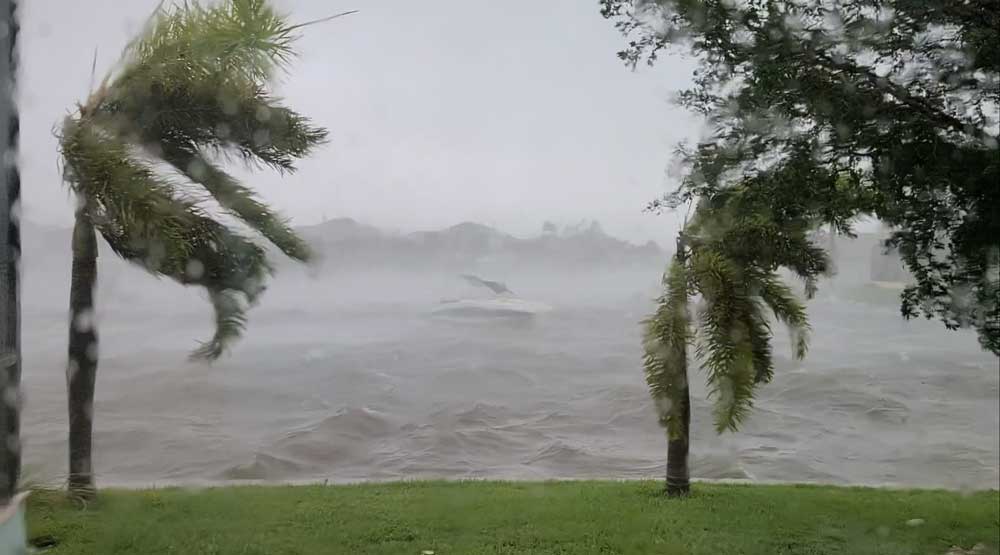
Hurricane Ian was the worst storm we’ve ever experienced in Florida. We were at our house in Cape Coral and will describe how our preparations went, what happened during the storm, and what the situation was like afterward. Our account is not intended to scare anyone, but rather to help vacationers in particular who are unexpectedly confronted with such a situation. To that end, we’re sharing the most important insights and practical tips based on our own experience.
Hurricane Ian 2022 – Key Takeaways from Our Experience
- Don’t rely on the exact track line given in the weather reports.
- Take evacuation zones seriously .
- A new house does not provide protection against storm surges.
- The second part, after the eye, can seem worse than the first.
- After the storm, electricity, the Internet, gasoline, and repair companies are the next problem.
The Announcement of Hurricane Ian
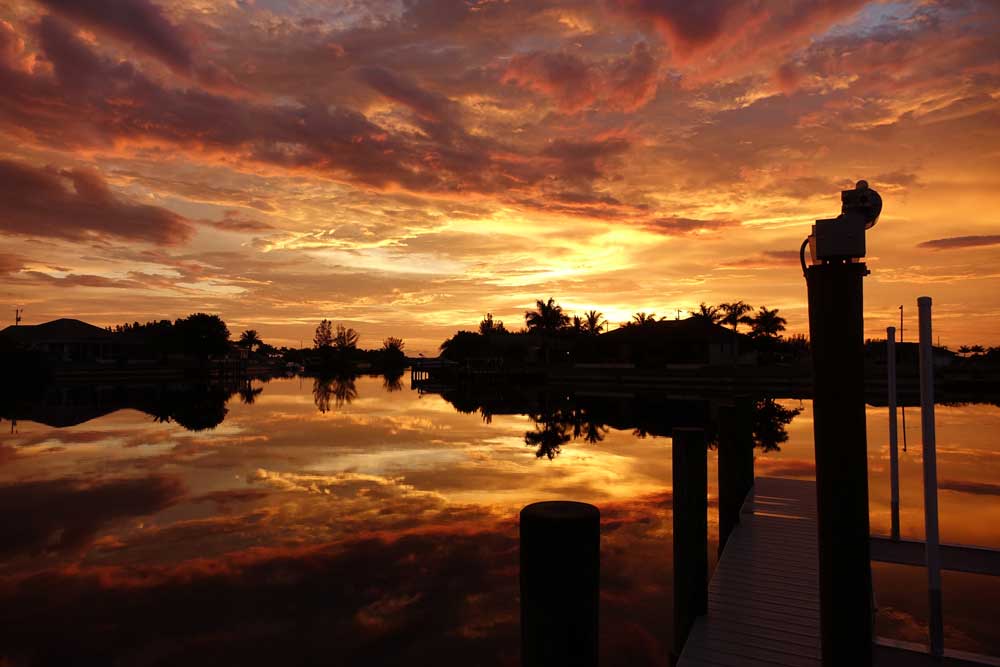
Over the many years we’ve been coming to Florida, we’ve experienced storms on numerous occasions. Aside from a few tropical storms, Hurricane Irma has been the worst so far. When the Hurricane Center first issued a warning about Ian, we were in Germany at the time. We were enjoying Oktoberfest and the Indian summer. On September 24, we had a big family celebration. We’d had a flight ticket to Florida booked for September 27 for quite some time and were already looking forward to the Sunshine State. Then Ian hit.
Day by day, the forecasts became clearer. “Possibly…,” “Maybe…,” “This could…,” “Probably,” and so on—the weather anchors at Wink News and other weather sites were sounding increasingly concerned. As it became clear that the storm would make landfall in the Tampa Bay area—and at times even seemed to be heading toward Big Bend—we decided on the spot to move our flight up by one day so we could secure our outdoor belongings and make some preparations. A mistake, as we would later discover! At that point, the forecast path of the hurricane’s core was still pointing further north, even though southwest Florida had already been officially warned.
On the evening of September 26, we landed in Fort Myers. On the drive from the airport home, we could already see the long lines at the gas stations. Otherwise, everything was still relatively normal. At that time, Ian was already southeast of western Cuba. It had become a Category 2 hurricane with winds of 100 mph (miles per hour) and was rapidly intensifying. On the evening of September 26, Tampa Bay was still considered the more likely target area for the storm’s center.
Preparation and Forecasts
A serious warning was already in effect for Cape Coral and Lee County: a hurricane watch between Bonita Beach and Englewood, a tropical storm warning, and a storm surge warning for virtually the entire west coast as far as Flamingo. For the coastal stretch from Englewood to Bonita Beach, including Charlotte Harbor, a storm surge of 4 to 7 ft (feet) had already been forecast. South of Bonita Beach, the forecast was for 3 to 5 ft. The NHC specifically identified the stretch from Fort Myers to Tampa Bay as the area with the highest risk of storm surge. By 11:00 p.m., Ian was already blowing at 105 mph, and it was forecast to strengthen to a Category 4 hurricane over the Gulf, followed by a severe hurricane upon reaching the west coast.
The next day, we got ready. Our house is located right on the water in northwest Cape Coral. And in this particular case: Unfortunately, we also have a boat. The canal is one of the well-known, man-made 640 km waterways that provide access to the (at that time still) Gulf of Mexico. Our boat had to be secured at the dock, all covers removed, and all loose parts taken down as well. The neighbors—if they had one—were busy taking down their canopies and dock shelters; luckily, we didn’t have one. We brought all outdoor furniture and items inside the house and into the garage. We unhinged the doors of the pool enclosure to let the wind blow through and relieve pressure.
Preparations by the authorities and the public were still in full swing, but were already drawing to a close. The supermarkets had run out of drinking water, the shelves stocked with non-perishable and ready-to-eat foods were all but empty, and gasoline was already in short supply, causing even longer lines to form at many gas stations.
We had another concern: It wasn’t until our last stay that I had dropped off eleven of my paintings at the nearby Gallery of Matlacha to be sold. We asked the gallery owner if we should pick them up. She said no, because they were secure. We trusted her— our second big mistake!
Decision: Stay home or head to the shelter?
On Tuesday, September 27, the situation escalated dramatically within a matter of hours. By 11 a.m., Hurricane Ian had already intensified into a Category 3 hurricane with winds of 115 mph. A hurricane warning and a storm surge warning were in effect for Cape Coral, while landfall was still expected on Wednesday evening. Around 1:45 p.m., Lee County expanded the mandatory evacuation to Zones A and B, as well as parts of Zone C.
We live in Zone A and have therefore been ordered to evacuate. A mandatory evacuation is legally binding, and such an order must be taken seriously. In practice, people are usually not physically removed from their homes, but after a certain point, emergency services will no longer respond—anyone who stays does so at their own risk.
We discussed this with our friends in Southwest Cape Coral. They live in an older house, but have the option of going to their neighbors’ newer house if things get too bad. During Hurricane Irma in 2017, we stayed home and felt quite safe in our new house at the time. It’s important to know that newer homes today are built with numerous storm-proofing measures. Our “hurricane impact-resistant” windows and sliding glas doors alone were designed to withstand high wind loads and tested to withstand the impact of flying debris.
Since we didn’t want to end up in a gym with the dog, cat, and mouse, and didn’t want to wait forever for the affected areas to be cleared for return after the storm, we finally decided to stay put. We filled all the larger containers in the house with water, tested the generator one more time, drove our car so that its bumper was right up against the garage door to prevent the wind from opening it, set out candles and the radio , and fell into a state of frantic, aimless activity. Again and again, we questioned whether it was the right decision to stay home. We watched our neighbors and felt reassured whenever we saw lights here and there as it grew dark.
Late in the afternoon, Hurricane Ian’s projected path shifted significantly southward. Ian reached 120 mph, and landfall was now expected near Englewood as early as Wednesday afternoon. Authorities warned of life-threatening storm surges, catastrophic winds, and flooding, and urged residents in the evening to seek shelter by 8 p.m. at the latest. Ian continued to intensify overnight. Sleep was out of the question, as the noise under our metal roof grew louder and louder.
The Day Hurricane Ian Hit
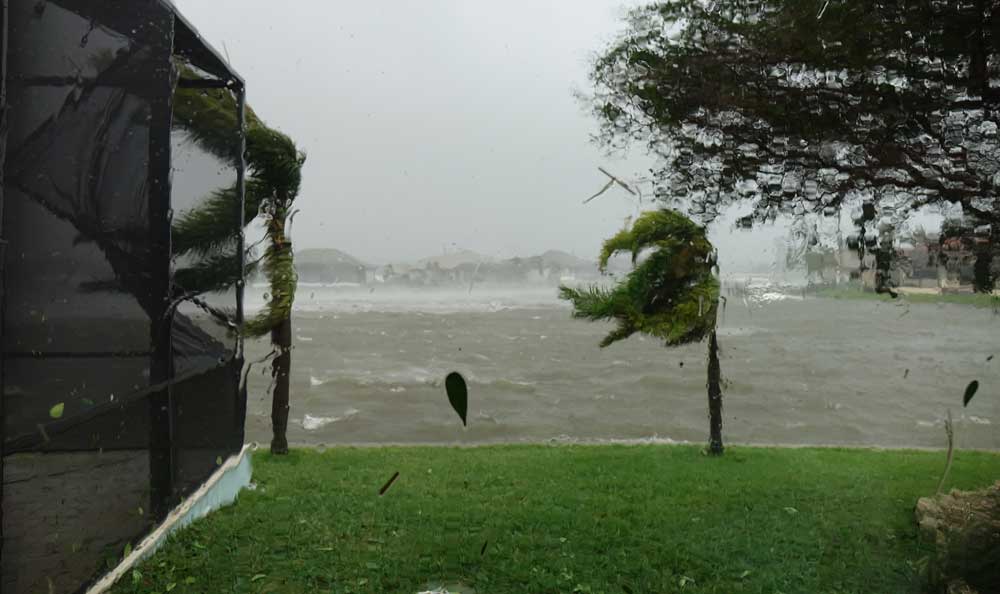 Hurricane Ian is raging in Cape Coral.
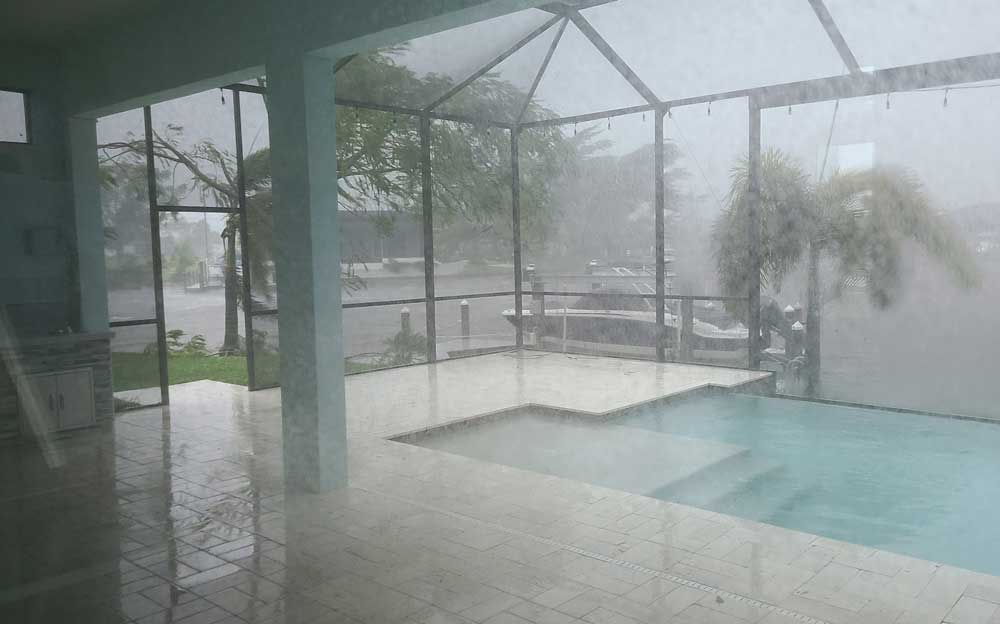 Pool cages are often not insured.
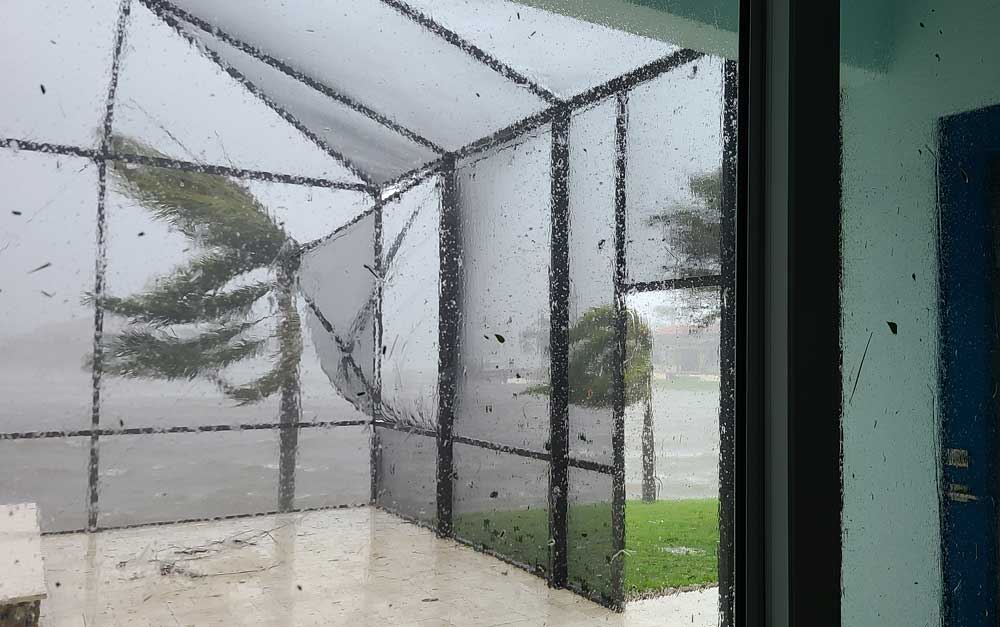 The first Pool Cage Panel is broken.
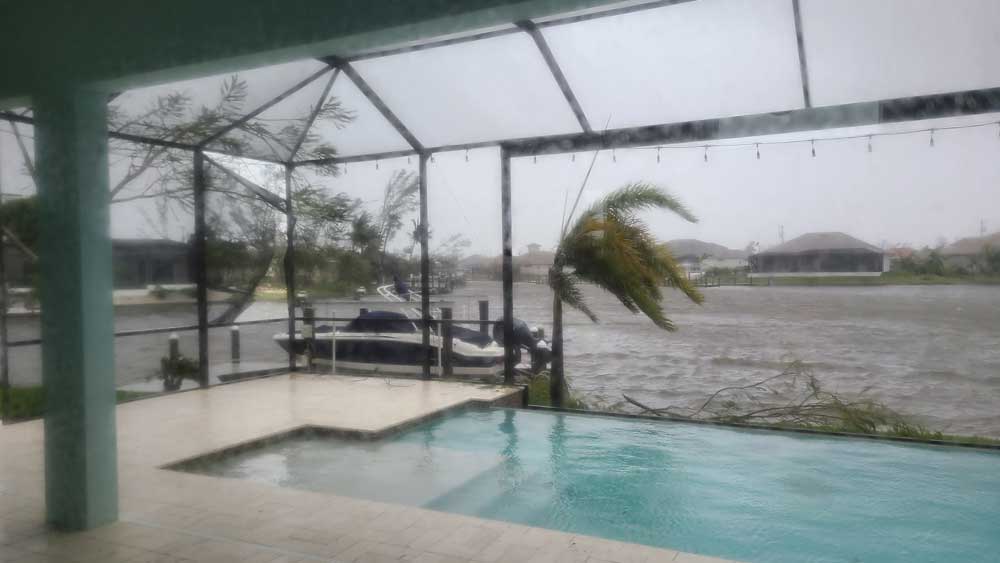 Hurricane Ian – Simply Terrifying
On Wednesday morning, September 28, 2022, the first thing we did was tune in to Wink News. The Hurricane Hunters initially reported a Category 4 storm with winds of 140 mph. By around 7 a.m., wind speeds had already reached 155 mph, just below the Category 5 threshold at that time. At the same time, a storm surge of initially 12 to 16 ft—and later as high as 12 to 18 ft —was forecast for the stretch from Englewood to Bonita Beach. Today we know that the NHC figure refers to the potential water height above normally dry land—not the distance from the normal water surface in the channel. Waves can extend even higher than that.
That really scared us. We calculated how high the water would rise if it reached us here and thought about how we could save ourselves in the worst-case scenario. We have an 8-foot-high partition wall inside the house at the entrance. Together with the estimated 8 feet to the reference point, that might be enough to get us to safety by standing on it. However, we had absolutely no idea where the measurement was being taken from—whether it referred to the water level in the canal, street level, or something else. Fortunately, we didn’t have to put that calculation to the test in the end.
At around 9:40 a.m.,a “shelter in place” orderwas issued; shortly thereafter, the police, fire department, and emergency medical services suspended their operations. By 11:00 a.m., the eyewall had already made landfall. The eyewall is the ring of particularly severe thunderstorms and winds surrounding the relatively calm eye of the hurricane. By 3:00 p.m., Ian was only about 20 miles west of Fort Myers.
Every now and then, we’d get together with our friends and watch the weather report —one after another, for hours on end. Wink News did a really great job here. Calm, factual, with information about other locations and forecasts. Wink News was our most important link to the outside world that day.
The eye of Hurricane Ian is practically right over us
At 3:05 p.m., the eye made landfall near Cayo Costa as a Category 4 hurricane with winds of about 150 mph; around 4:35 p.m., the second landfall occurred near Pirate Harbor with winds of 145 mph, not far from where we were. Later, Ian was briefly retroactively classified as a Category 5, though it remained a Category 4 at landfall. We already knew that things would calm down once the eye passed over us and that it’s a fallacy to think we’d made it through the worst. Up to this point, the events had been manageable.
Since we had storm-proof windows and didn’t need shutters in front of them, we were able—or rather, had to—watch everything unfold. The water in the canal was really wild; every now and then, a boat would shoot past, having broken loose from a dock on the properties behind us. Two canopies, which the owners hadn’t removed, had their roofs flapping wildly until they were finally torn to shreds and ripped off. Those noises alone were very loud and annoying.
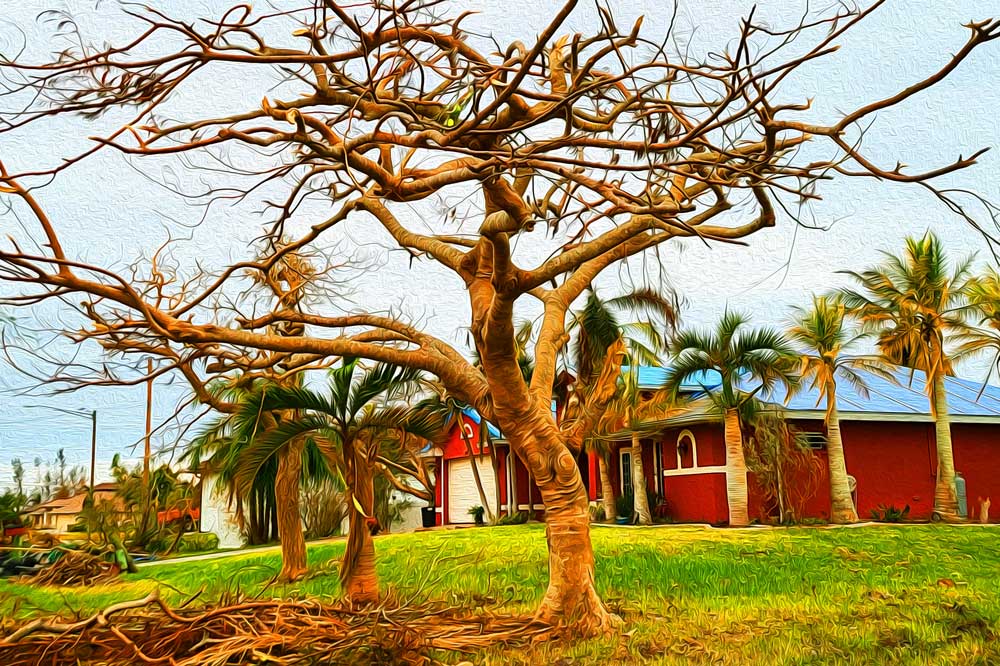
The palm trees—oh my God, we felt so sorry for those poor palm trees. We would have loved to bring them all inside. Roof tiles were being blown off the houses, and one pool enclosure after another was being destroyed. Even at our place, two panels had already been torn off and the supports were slightly bent. In the hallway, the rain whipped water through the front door, and it was also being forced in from below through the foundation. We used every single towel we had. Other than that? It was going well; we were almost there. Wrong!
Don’t Underestimate the Rear Eyewall
The large eye of Hurricane Ian passed just north of Cape Coral in the late afternoon, which gave us a bit of a breather. After that, the wind shifted significantly, and Ian moved very slowly at only about 9 mph. The hurricane-force winds on the back side—now coming predominantly from the west—lasted for what felt like an eternity: three hours—interspersed with further periods of extremely high wind speeds and gusts.
The water in the canal kept rising higher and higher. I don’t remember exactly when, but sometime during that period, the power went out as well. Our TV signal was gone, and we felt left on our own. Luckily, we had an old transistor radio specifically for such situations—it’s not as convenient anymore, but it still keeps us informed.
Sometime in the late afternoon, there was a strange crunching sound outside. I watched as the cage seemed to collapse in slow motion. It left me stunned and triggered an indescribable fear. The aluminum struts were now strewn haphazardly across the pool. What if a gust of wind were to slam one of those struts into the windows?
They say that once the wind gets inside the house, you’re done for. That’s when the worst hours began. We stayed exclusively in a windowless section of the hallway, and we were truly terrified that the metal roof—which was supposed to be safe—might give way or that something might fly through the windows. Yes, we were terrified for a moment and swore to ourselves that we’d never stay put during a hurricane again.
Assessment After the Storm
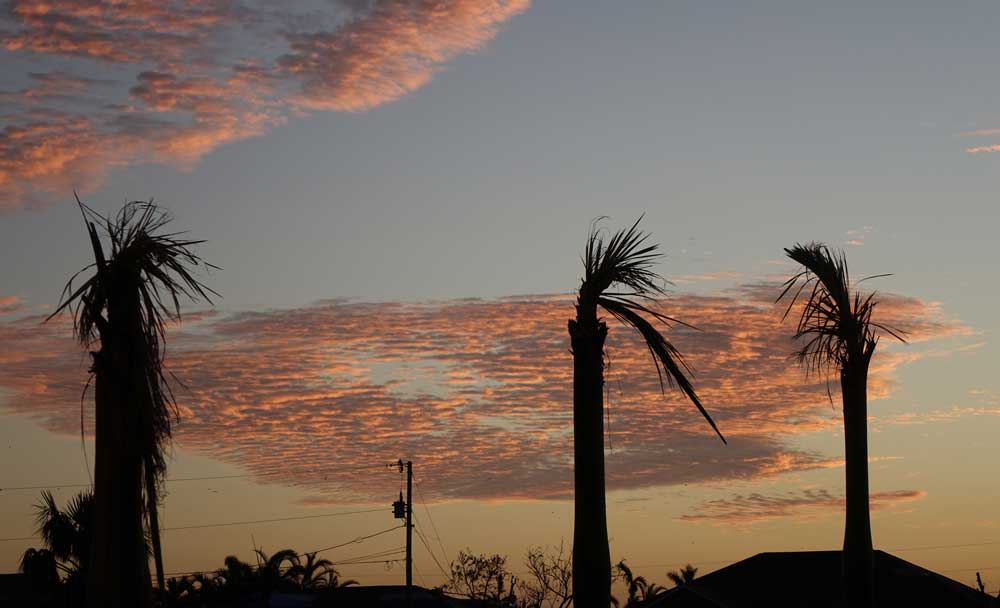 The morning starts off pleasantly and is actually beautiful.
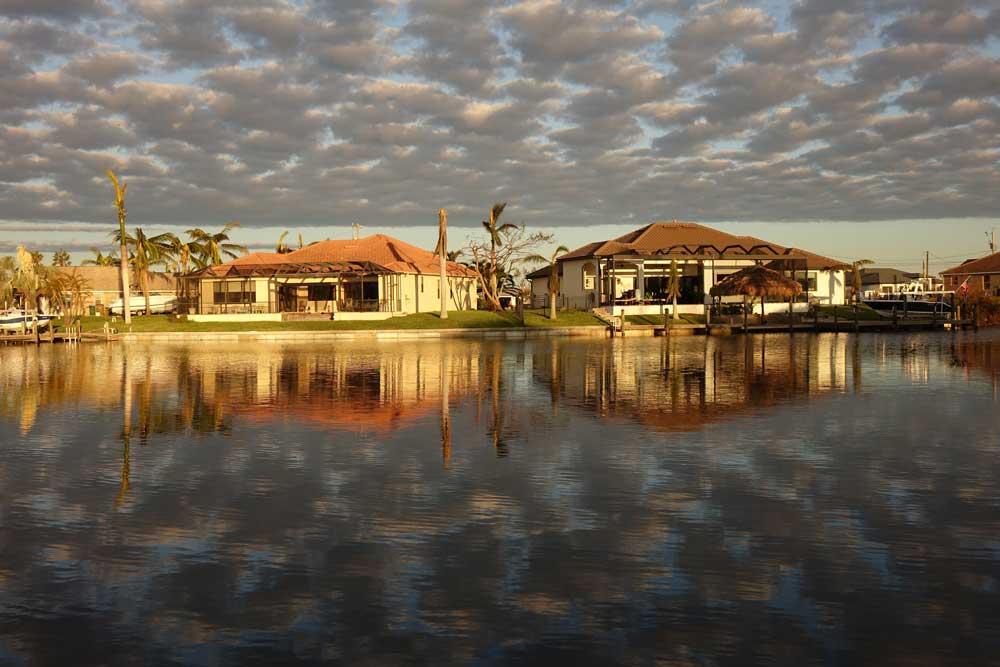 As if Cape Coral were above reproach.
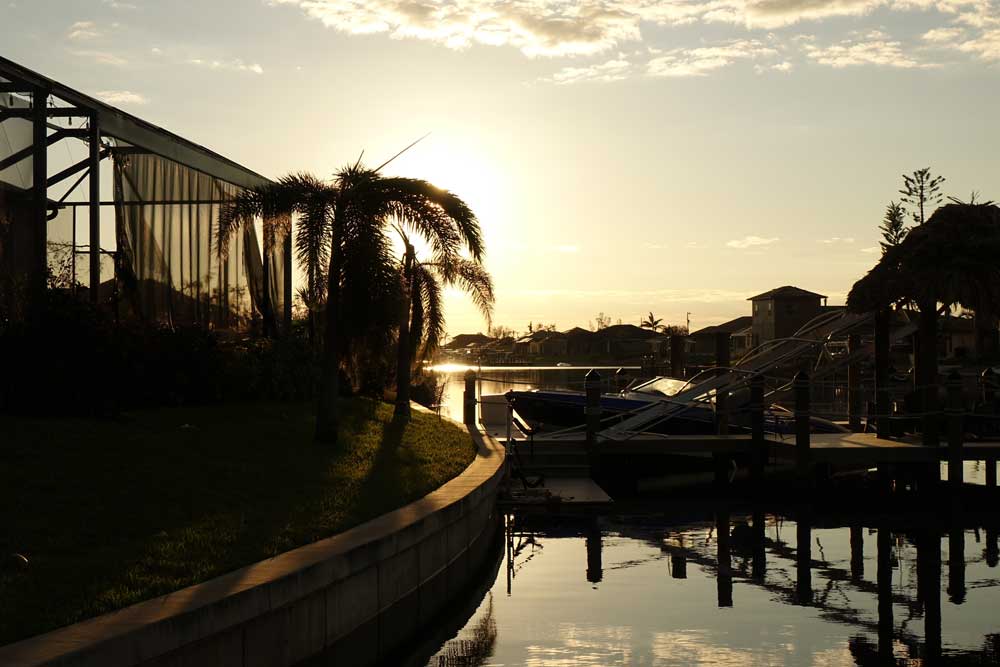 The damage at sunrise seems surreal.
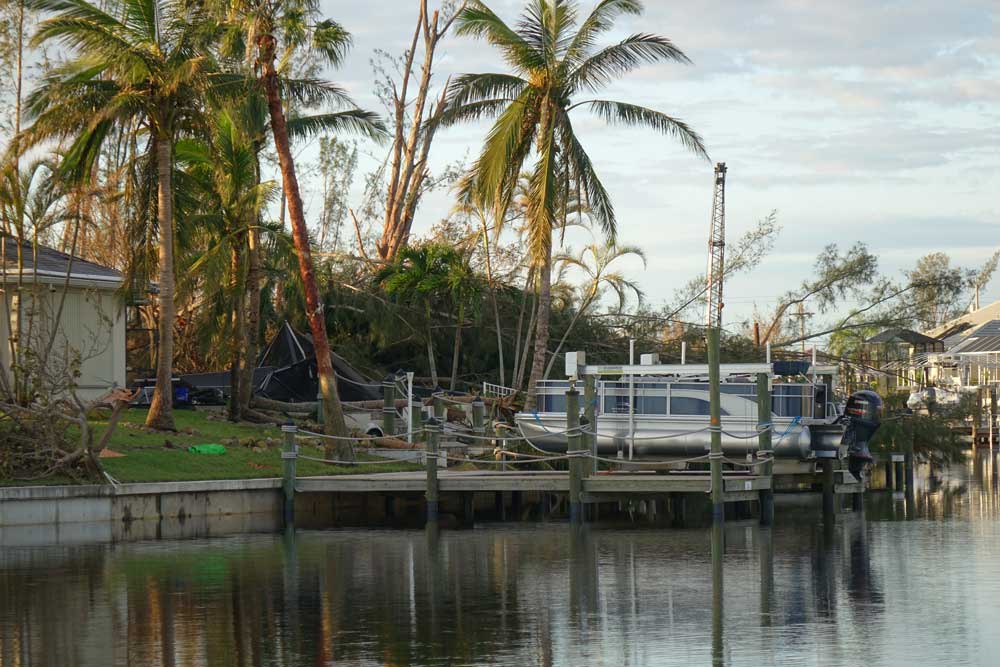 Hurricane Ian – the day after: It’s just like in a movie.
During the night, the situation gradually calmed down. Exhausted, we fell asleep for a few hours. The next morning, we took stock of the damage caused by Hurricane Ian, in tears: Pool cage destroyed, water treatment system destroyed, plants destroyed or in pitiful condition, pool area damaged, roof torn off the boat, pool completely filthy, several gutters and roof panels missing or destroyed, patio and garden lighting destroyed, and other minor damage.
Damage to the house and the surrounding area
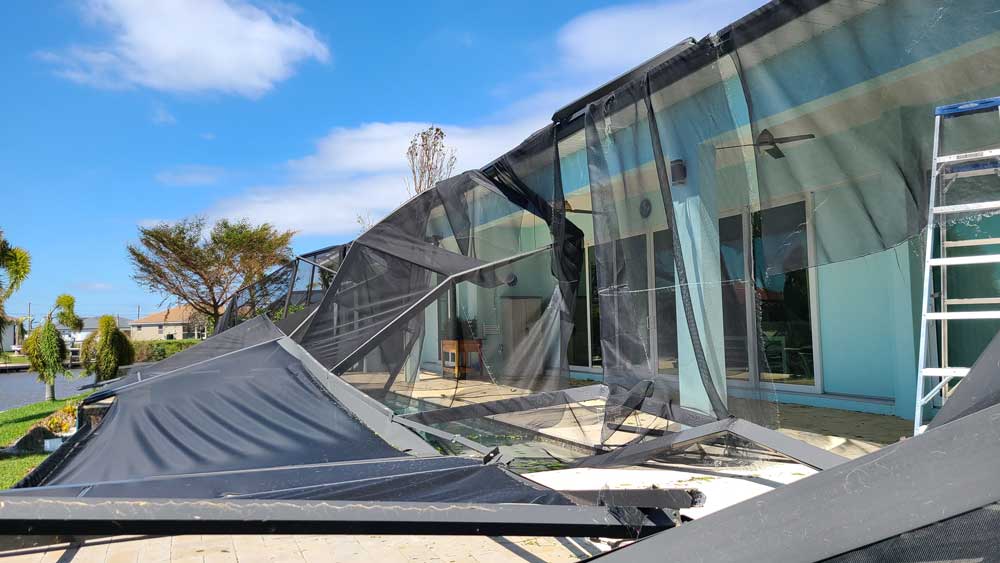 Prices for these cages have doubled or tripled.
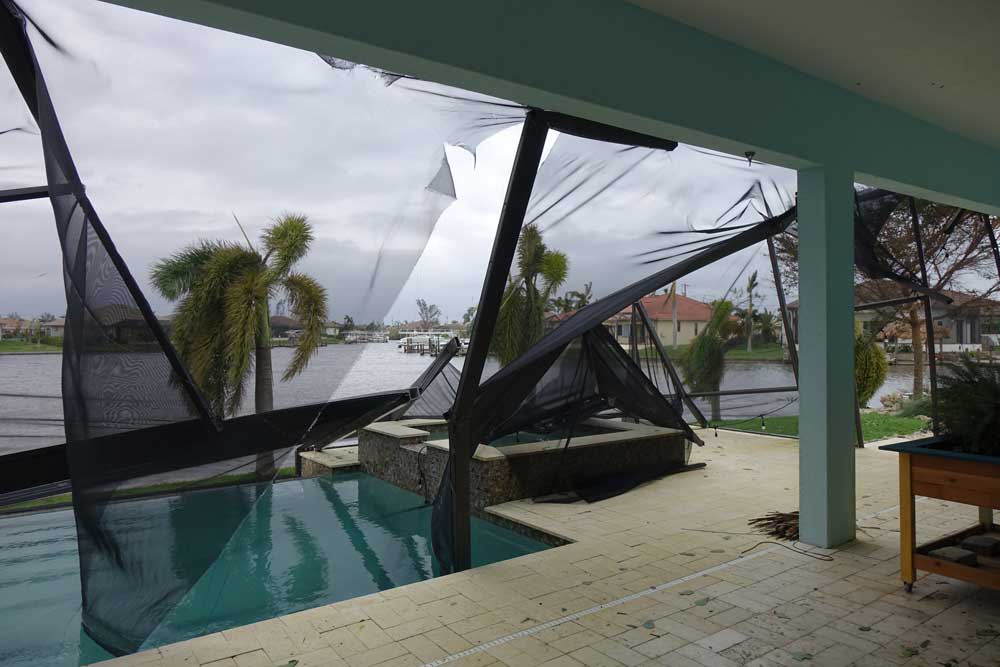 Will we rebuild it?
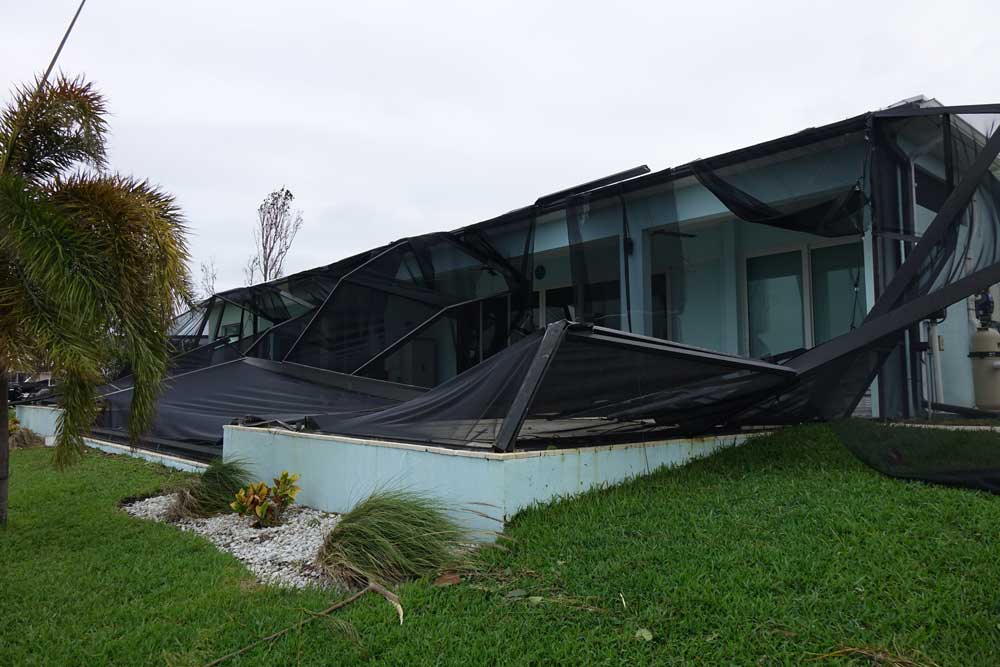 As if he were in mourning—our Pool Cage, named after Ian
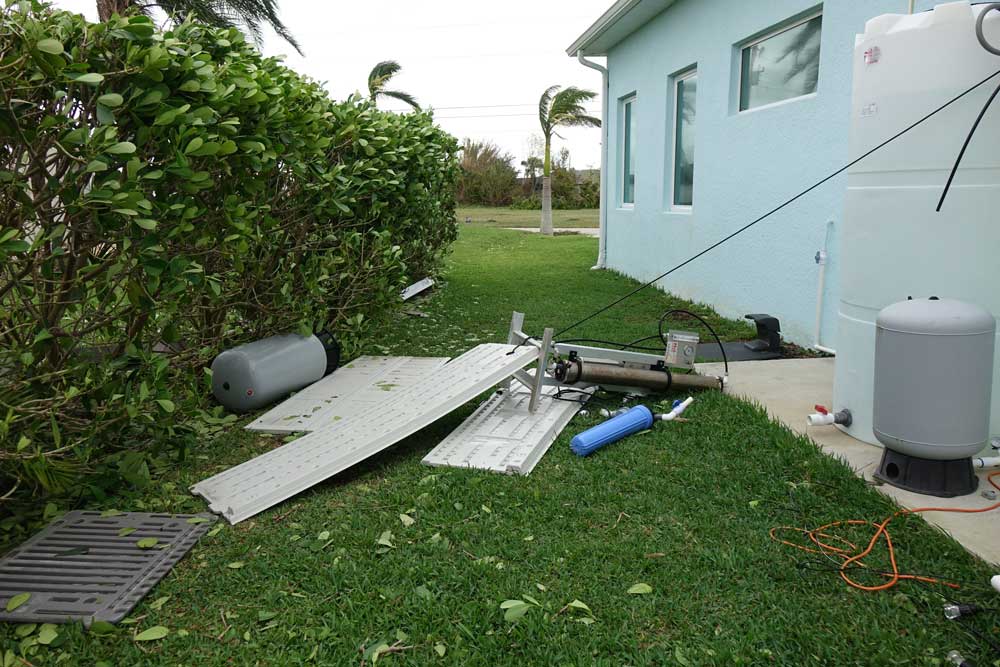 We repaired the damaged water treatment system ourselves.
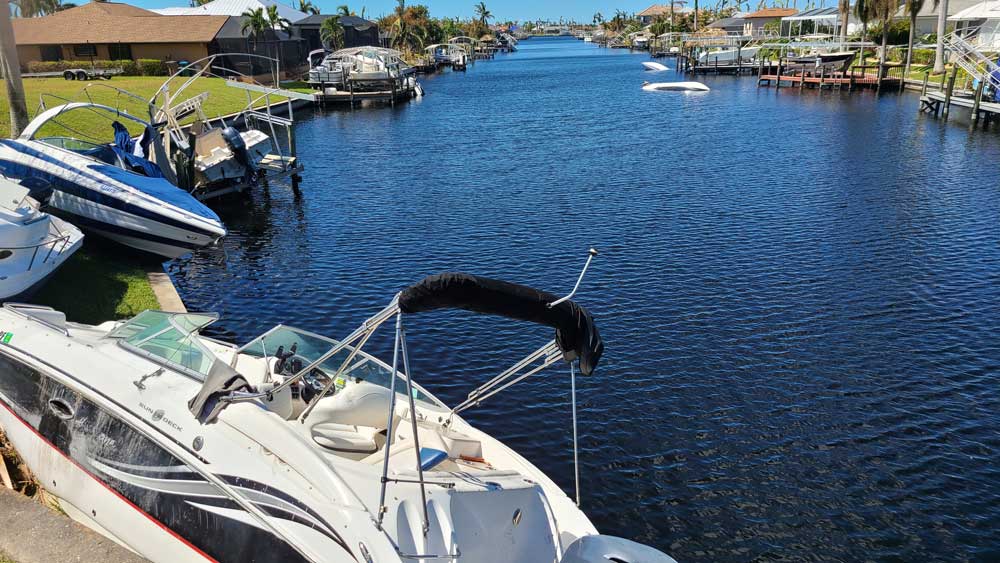 Boats Everywhere in Chaos
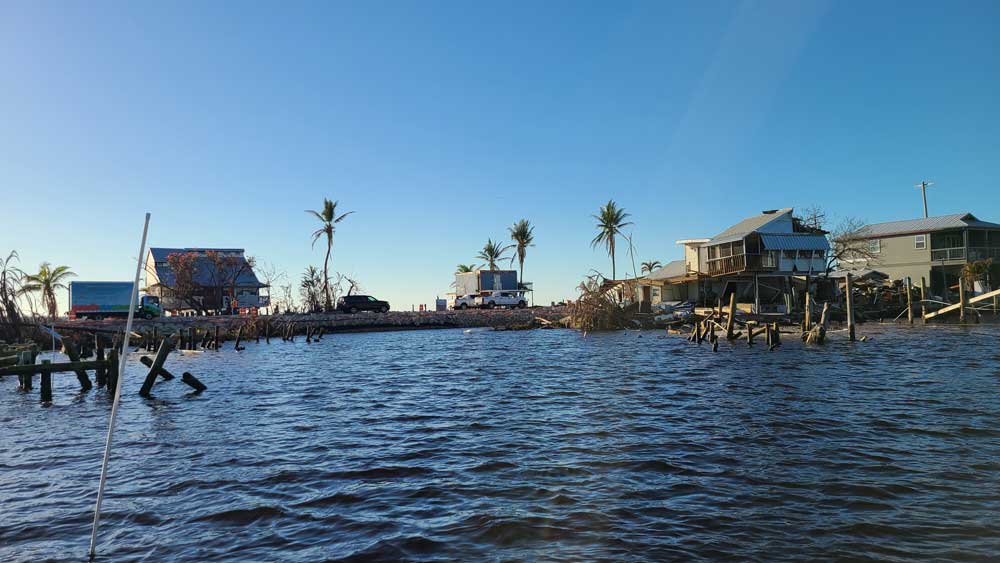 Roughly halfway down the street, on the other side, was Bert’s Bar, our beloved waterfront restaurant.
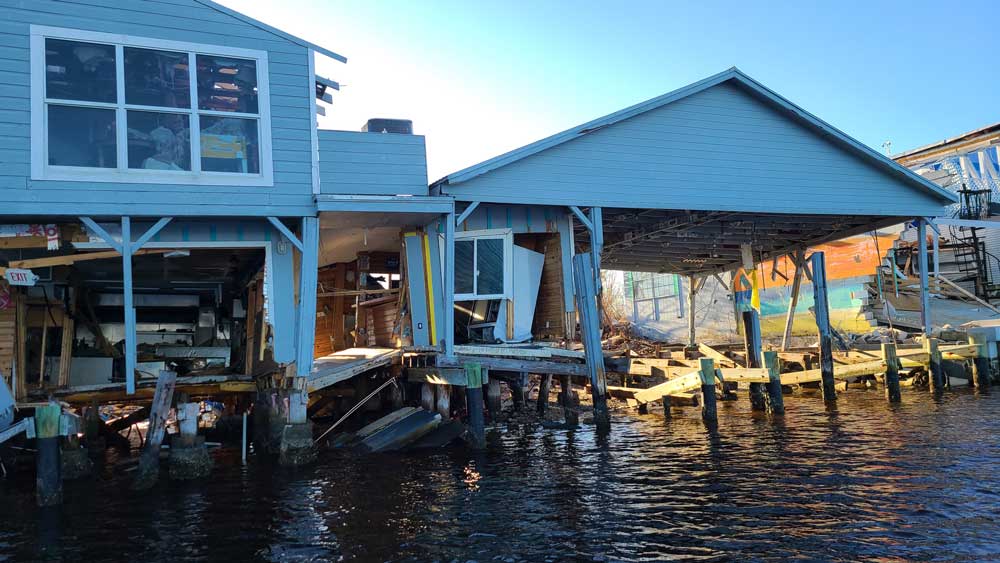 Another Waterfront Restaurant in Matlacha
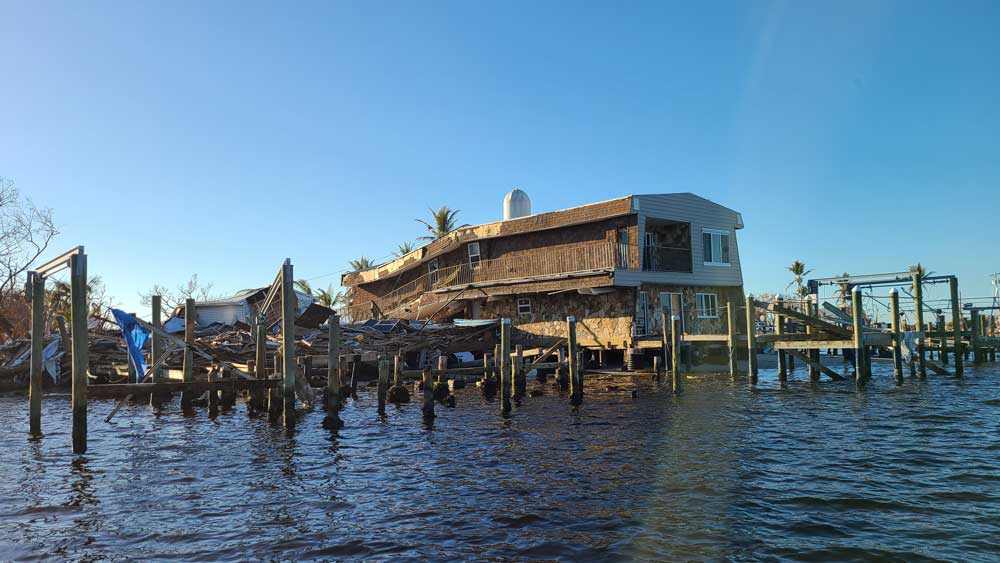 This vacation home in Matlacha had to wait more than three years to be demolished.
Compared to many of our neighbors on Pine Island, Matlacha, Sanibel, Captiva, and Fort Myers Beach, we were very lucky and got off lightly. The situation was the same everywhere in our immediate vicinity. More pool cages were damaged or destroyed than were still intact; the vegetation was a sorry sight; and hundreds of tile and shingle roofs had been destroyed.
Damage to infrastructure
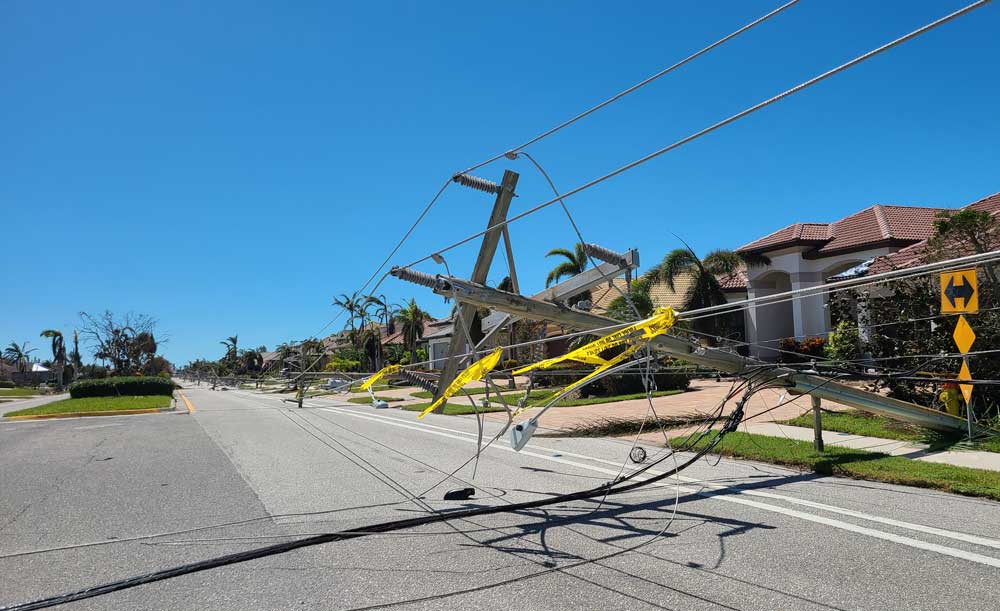 Unfortunately, that’s how it looked in many places.
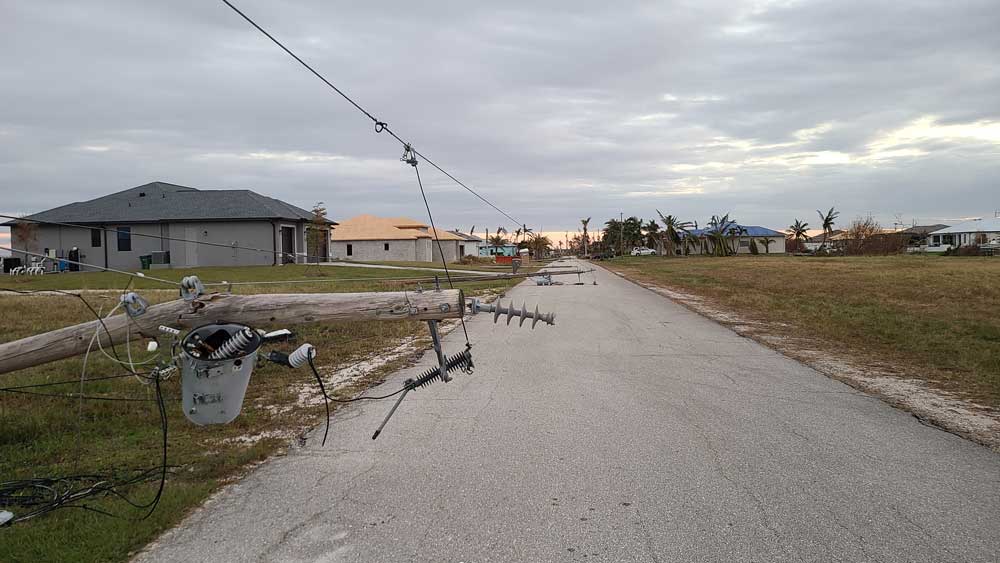 Broken Power Poles in the Neighborhood, Too
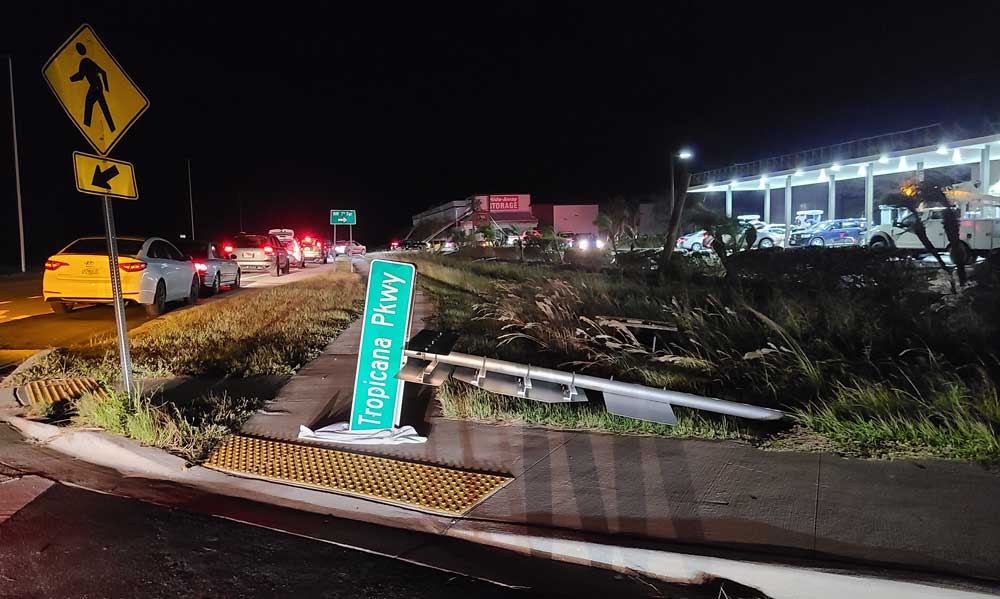 Gasoline shortages are causing hours-long lines—primarily for generators
The damage to the infrastructure caused internet and power outages. Power poles along entire streets lay on the ground. Boats were also found here and there on the street, in gardens, or simply out of place. Cables were hanging down everywhere. It took two weeks for the power to come back on and three weeks for the internet to start working again. For us as independent website operators, that was a disaster.
The generator did provide us with power in theory, but it ran on gas or gasoline. Naturally, neither of those supplies lasts very long. Waiting in line for hours at gas stations—which were only gradually getting their power restored—was a daily occurrence. At least that way, we were able to keep our refrigerator running and power our most essential appliances. To work, we took our laptops to Sam’s Club. They had internet there, so we temporarily set up a new office in the food court.
My greatest personal loss
 In Memory: I’ve lost these paintings.
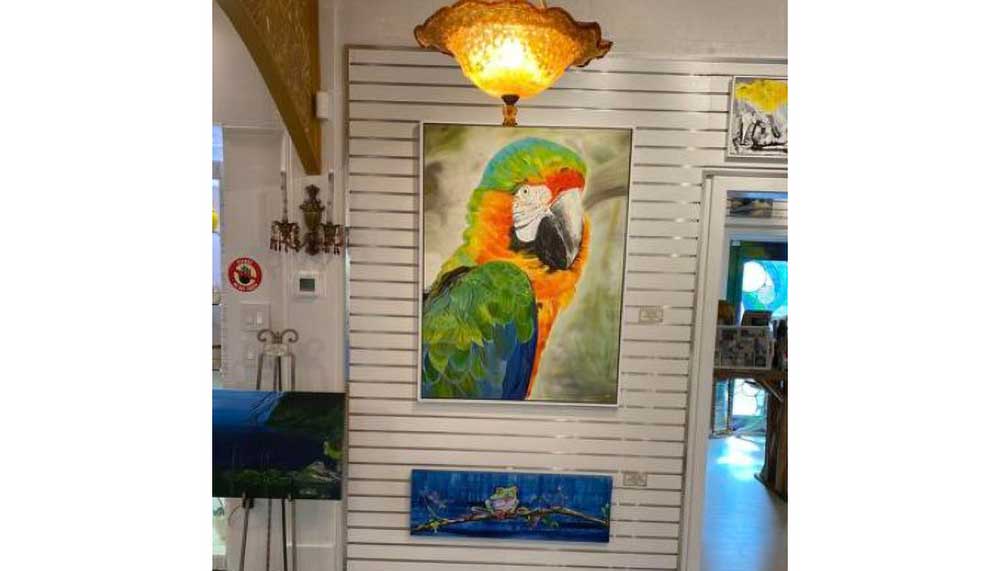 The sole survivor, rescued by kind people in a boat: my Royal Macaw.
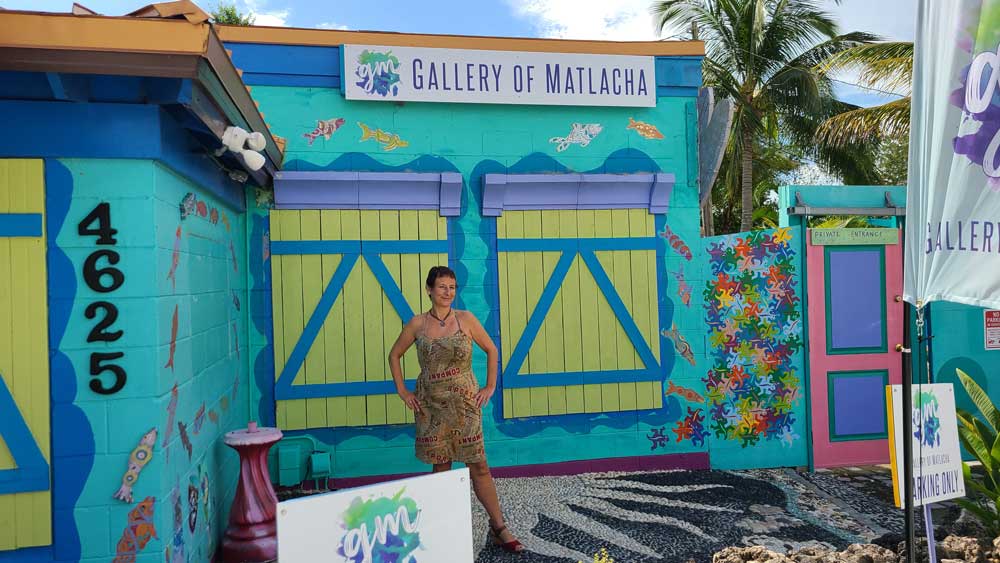 It wasn’t until our last stay that I found a gallery owner who signed a contract for eleven of my paintings.
My greatest loss from Hurricane Ian is probably my collection of paintings, which I hadn’t moved to safety. The gallery owner had stored them in her private home in Matlacha. Like so many other buildings in this small artists’ town, it was completely destroyed and swept away by the Pine Island Sound. We were able to rescue the one painting that was hanging in the gallery at the time of the storm with the help of a boat crew. The 36 x 48-inch parrot survived the storm surge unscathed.
Cleanup and Restoration
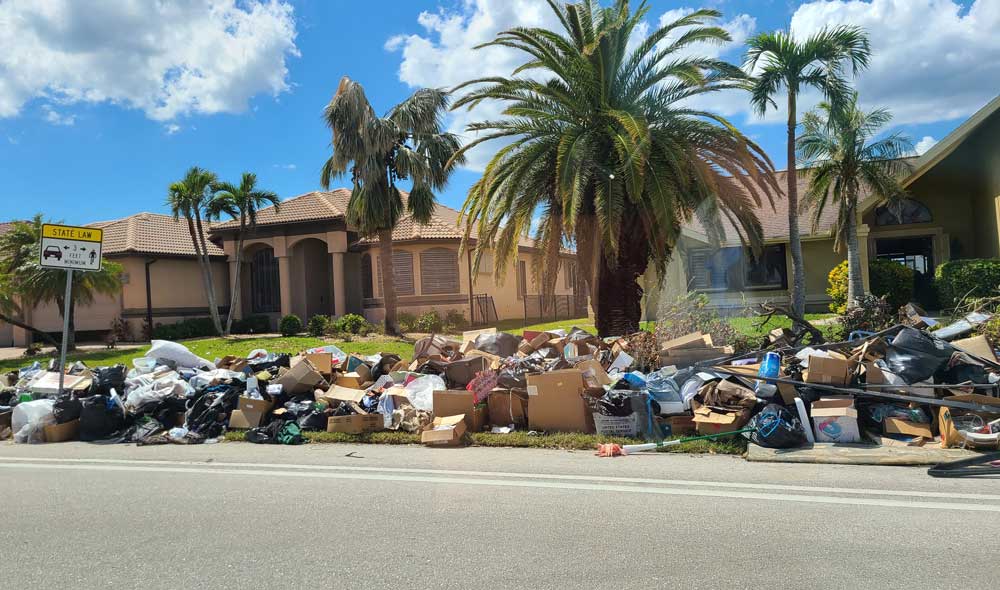 After the storm surge in southwest Cape Coral
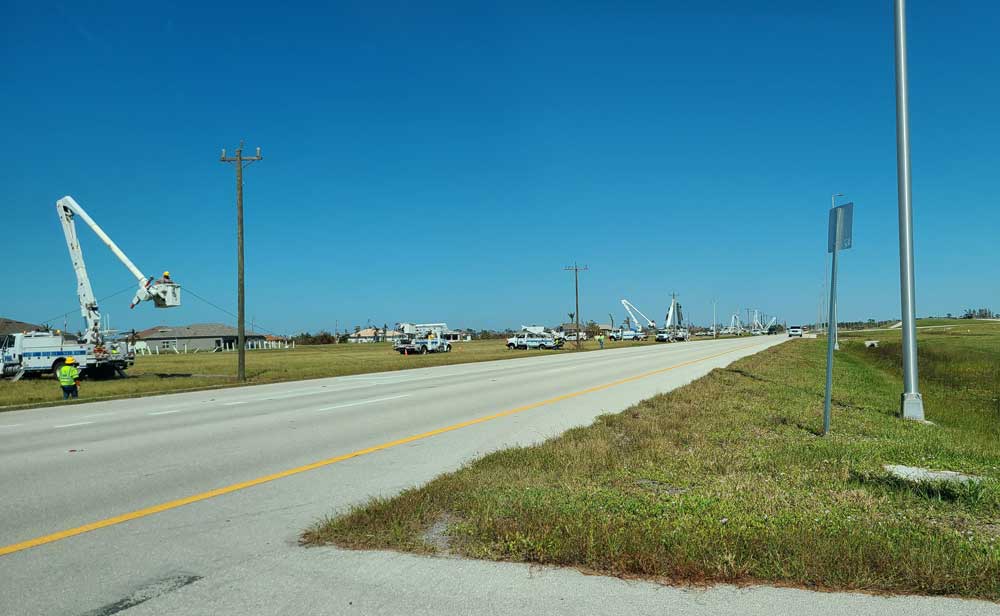 The Lee County Electric Cooperative (LCEC) had to restore many power poles and lay vast amounts of new cable.
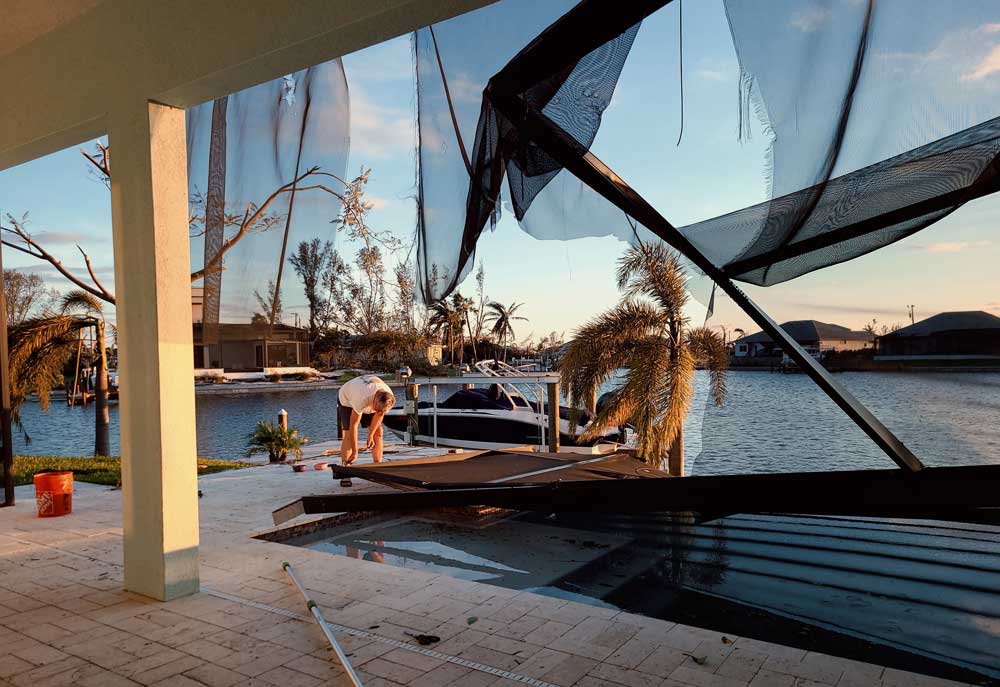 Whatever’s left of the cage has to go.
The very next day, we tried to contact our insurance company because we’d heard that the saying “life punishes those who are late” can literally come true here. That happens when insurance companies go bankrupt during such a rush. But that’s not true, because in the event of insolvency, FIGA generally takes over the processing of legitimate, covered claims within the legal limits.
Of course, the damage should still be reported immediately—but not because claims are simply paid out on a first-come, first-served basis. The so-called adjuster (insurance assessor) arrived fairly quickly, it seemed, to assess the damage.
Meanwhile, a friendly neighbor—whose loss wasn’t quite as tragic—helped us take apart the bulky, extensive Cage equipment and carry it to the side of the road. The aluminum didn’t stay there long. Enterprising people collected it to trade it in at the recycling center for a tidy sum. So, unfortunately, we ended up giving away a four-figure sum, as we later found out.
The costs for just about everything were incredibly high. That’s why we did as much as possible ourselves. We were able to repair the water treatment system and pool equipment ourselves over the next few days and months; we found the boat’s roof in the canal and repaired that, too. Cleaning the pool required quite a bit of chemicals. However, we had to have some damage, such as the broken gutters, repaired. We also gradually got the garden back into shape over the following weeks.
What We Would Do Differently Today
We actually did quite a lot right. But the most serious mistake was staying put. That won’t happen to us again. In the future, if a hurricane of Ian’s magnitude strikes, we’ll get to safety in time. Just two years later, that’s exactly what we did with Milton—and it was much better.
Because Hurricane Milton had a very large wind field, we drove all the way to Savannah. Of course, we were on edge, constantly monitoring the storm’s progress, and worried about our house. The key difference, however, was that we didn’t have to fear for our lives or endure those hours in the storm a second time.
Since Ian, we’ve also been keeping larger supplies of gas and gasoline on hand for the period after a hurricane. We haven’t changed much else. For us, the most important lesson from Ian is clear: When a storm of this magnitude threatens, we leave.
Ian has changed the way we see Florida, but not our connection to this place.
Sources: Revised NHC Final Report from 2026 and Lee County After-Action Report